.png)

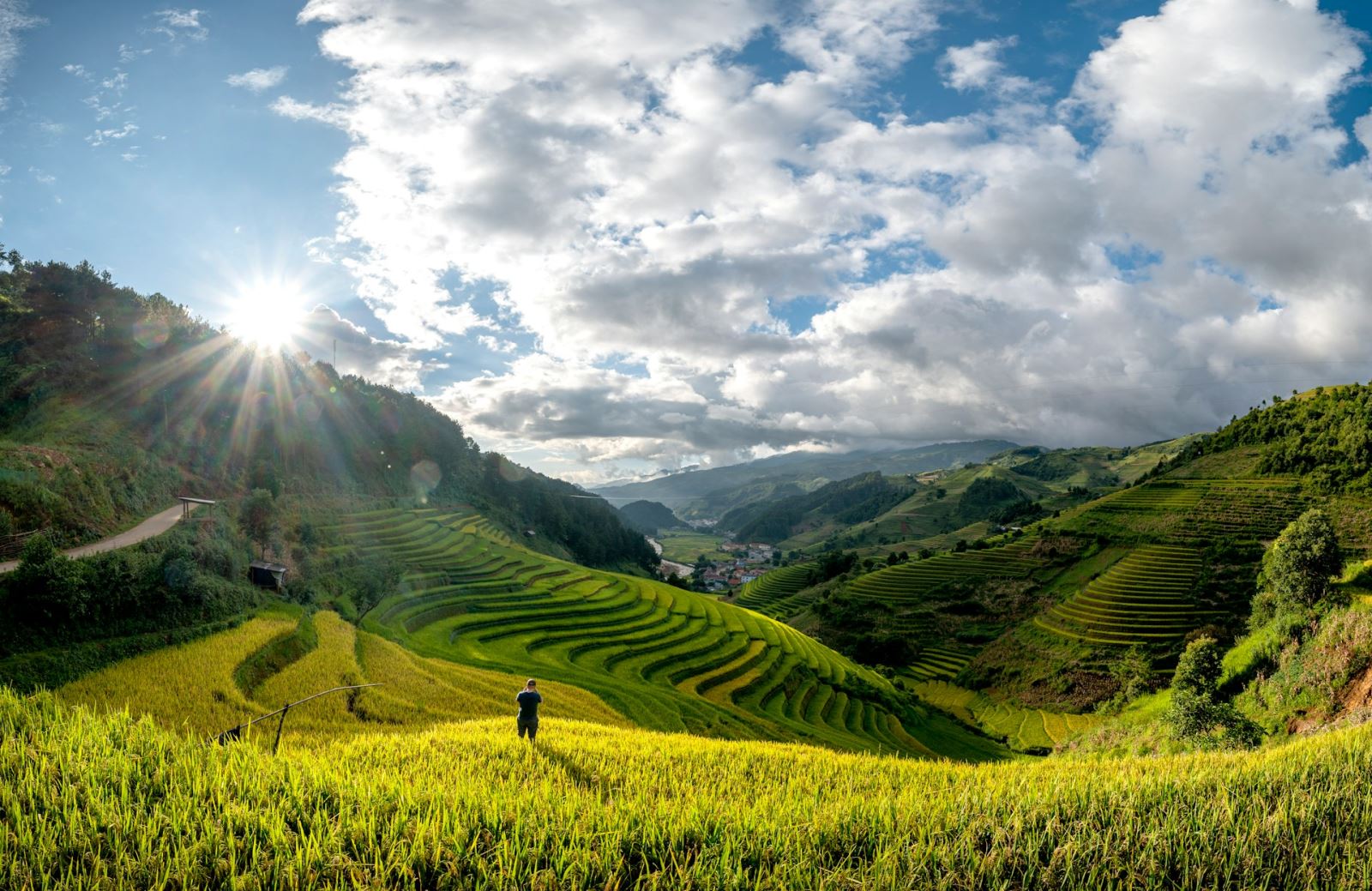
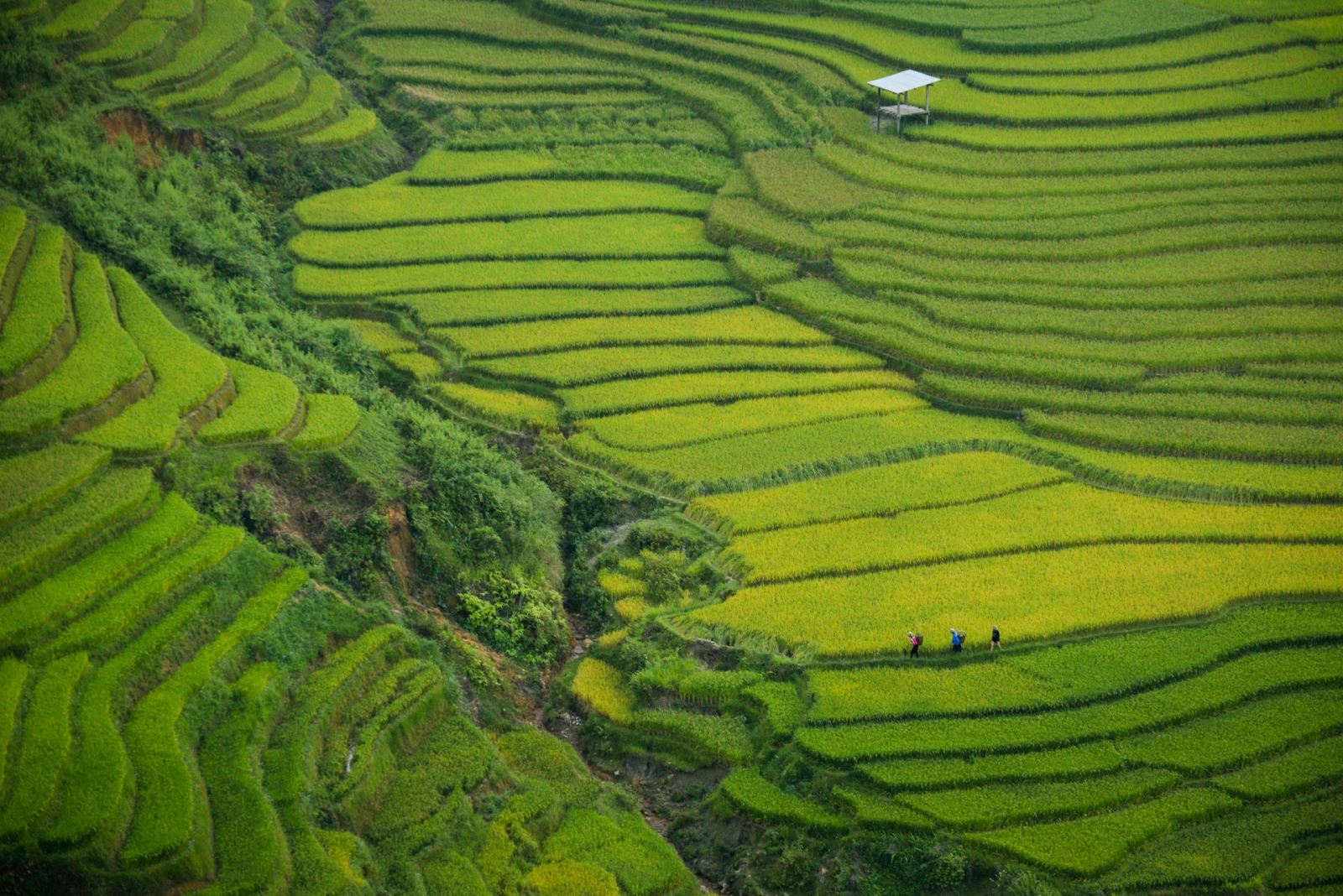
Rice field season, one of the Best Time to Visit Vietnam 2026 (Photo by Unsplash)
The best time to visit Vietnam 2026 planning starts with a simple truth: Vietnam travel works beautifully year-round, but the most suitable timing depends on geography and travel style. Thanks to Vietnam’s diverse regions and microclimates, there are rewarding experiences in every season, while March to May often delivers the most widely comfortable conditions across the country. This Vietnam travel guide from Asia Bespoke Journeys is designed to help you narrow the months that feel calm, comfortable, and well-paced, based on where you plan to go and how you like to travel.
Vietnam’s Weather at a Glance (North vs Central vs South)
Vietnam stretches over 1,600 km, so weather shifts meaningfully from North to Central to South. You will often find sunshine in one region while another has rain, which is why a single “best month” is rarely useful. A Vietnam slow travel approach, like choosing fewer places, staying longer, lets you match regions to comfort rather than racing through every highlight.
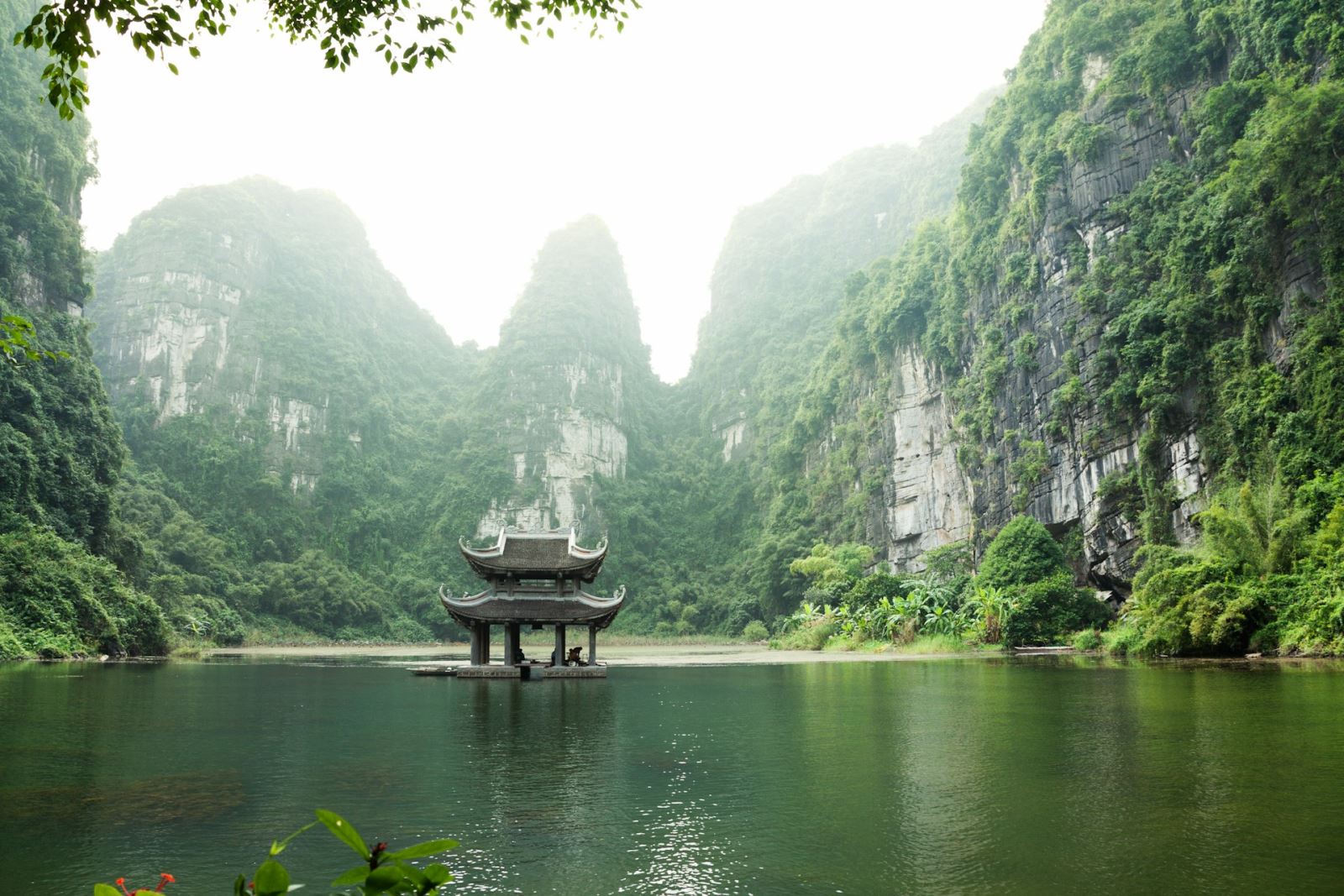
Trang An, Ninh Binh in May (Photo by Unsplash)
North (Hanoi, Ninh Binh & mountains)
The North has true seasonality, with cooler winters and hot, wet summers. You will feel the difference most in highland areas, where winter mornings can be crisp, and summer humidity can be intense.
Central (Hue, Da Nang, Hoi An)
Central Vietnam needs the most timing awareness because of its distinct wet and storm-prone period. Keep September - November flooding caution in mind when designing an itinerary, especially if you prefer smooth logistics and predictable sightseeing.
South (Ho Chi Minh City, Mekong, Phu Quoc)
The South follows a dry vs wet rhythm, and showers often arrive in predictable blocks rather than constant rain. With private transfers and flexible pacing, even wet-season travel can feel calm and polished.
Due to Vietnam’s regional characteristics, you can always be able to choose regions to match comfort, and let the itinerary breathe as you do not need to do it all at once.
Vietnam Weather Calendar 2026: By Quarter
This quarter-by-quarter view is the most practical planning lens for a Vietnam luxury tour. Instead of chasing a “perfect” month, you can design the trip around how days will feel, knowing temperature, humidity, visibility, and the ease of moving between places. Once you pick a quarter, refine your route by region and coastline.
First quarter: January - March
This quarter often supports culture-led travel with gentler temperatures in many regions. The North can feel cooler, especially in the mountains, while the South tends to stay warm and bright, which makes it easy to combine cities with restorative downtime. If you enjoy early mornings, this is a rewarding window for heritage walks, markets, and slower city pacing.
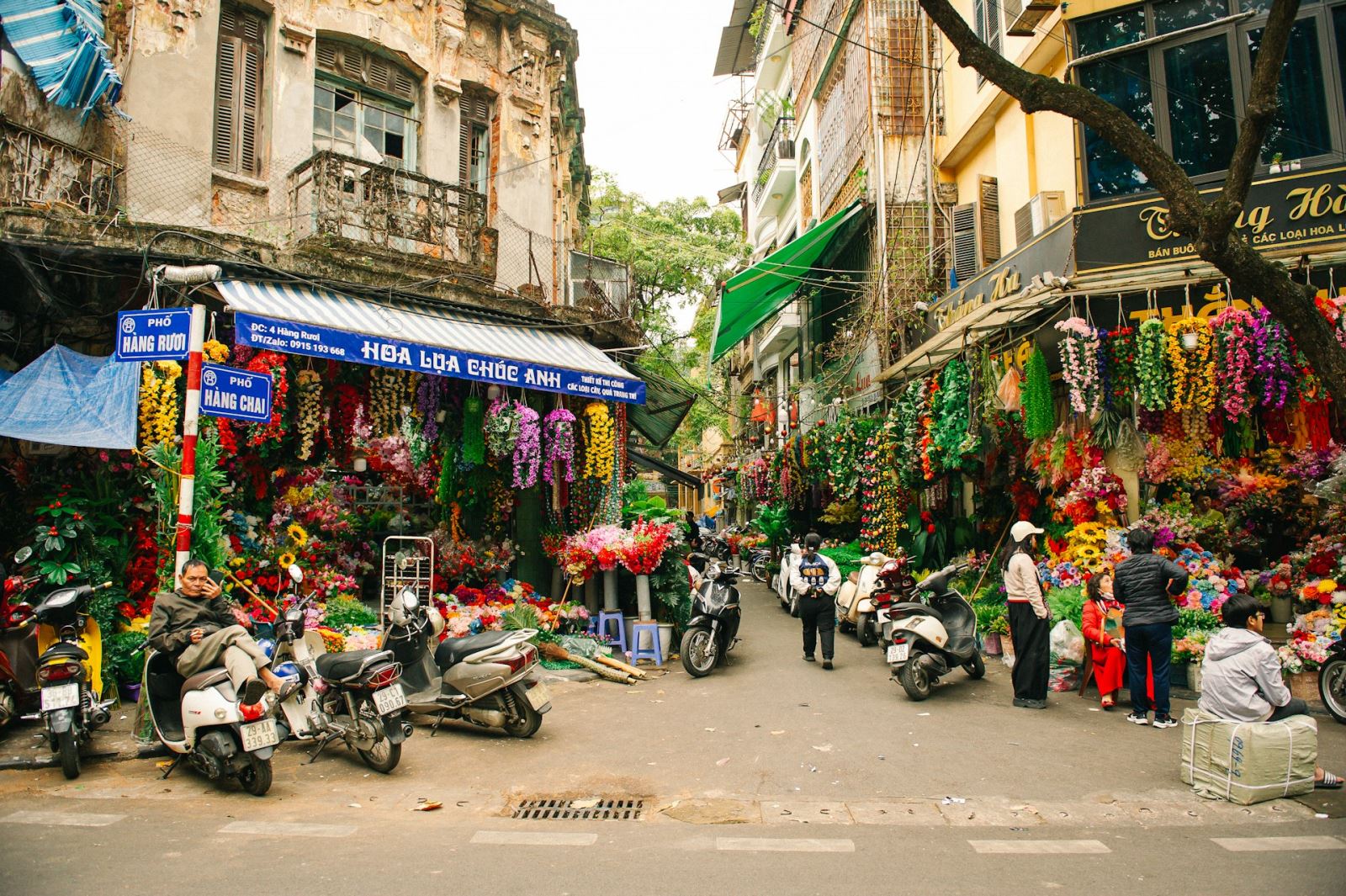
Expect higher demand in popular hubs during the most comfortable weeks, especially in areas with strong international interest. If you prefer quieter moments, plan your “headline sights” early, then spend afternoons in calmer neighborhoods, galleries, cafés, and craft ateliers. This is an ideal time to structure days around one anchor experience, rather than stacking multiple major stops.
Second quarter: April - June
This is often the “shoulder season advantage” period for travellers who want comfort without relying on peak-season intensity. Conditions can still feel widely manageable, especially if you protect midday hours and pace outdoor touring thoughtfully. If you prefer calm days, build a rhythm of early sightseeing, long lunches, and a gentle return in late afternoon.
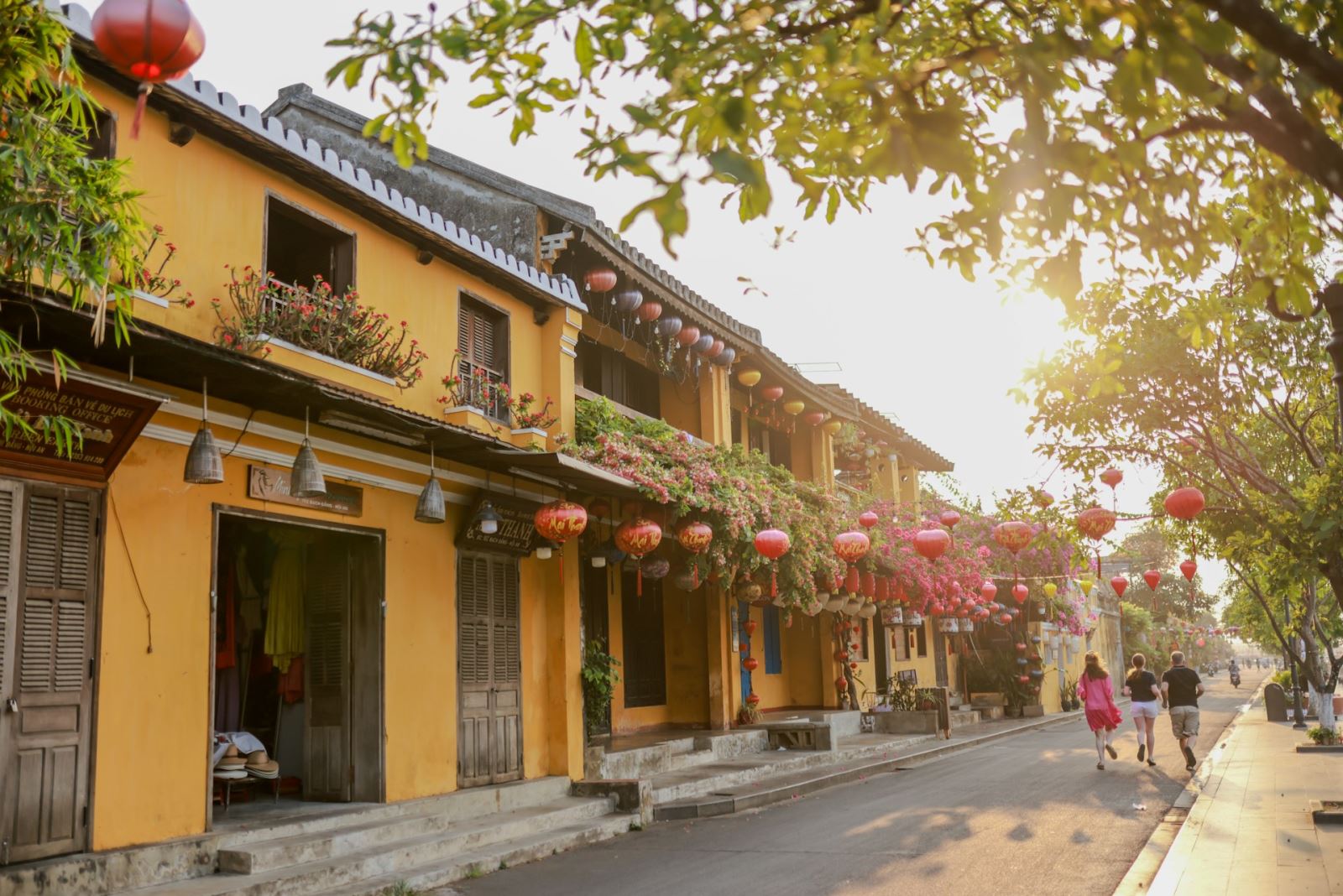
As you move toward June, warmer days are more common, particularly in the North and Central. The luxury decision is to avoid overloading your schedule and instead upgrade comfort: shaded experiences, private logistics, and a slower pace that leaves space for spontaneous discoveries. For many travellers, this quarter also offers more flexibility in availability than the busiest winter weeks.
Third quarter: July - September
This quarter is shaped by heat, humidity, and weather variability across many regions. Planning well here is not about avoiding travel, but about designing days that remain graceful when conditions shift. Keep outdoor blocks earlier, build in indoor alternatives, and keep a buffer so the itinerary never feels rushed.
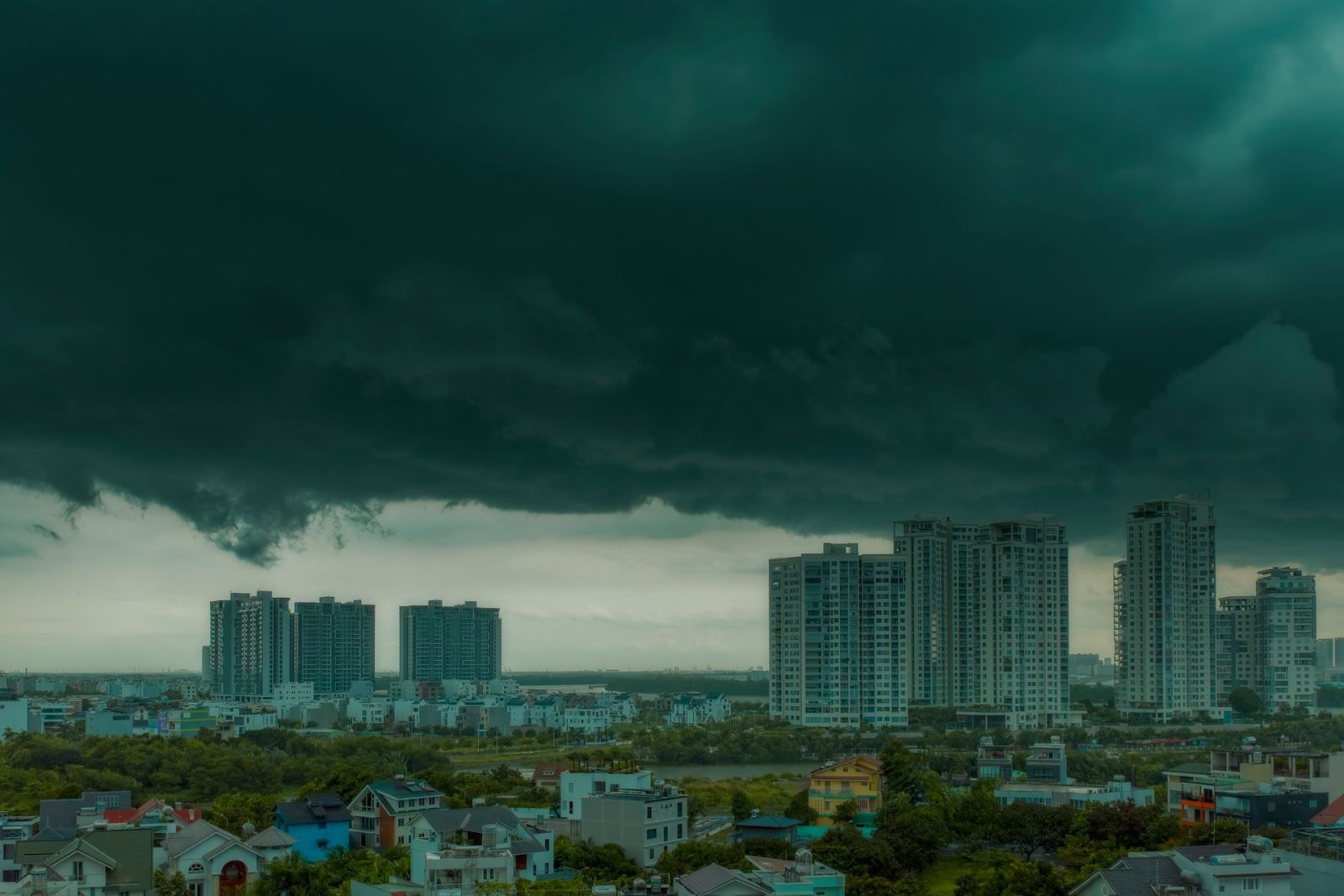
Storm and heavy-rain considerations matter more for certain coastlines and islands, especially if beach time is a key highlight. If you are considering Phu Quoc during these months, be aware that its stormier period is commonly associated with mid-year to early autumn, which can affect sea conditions.
If you travel in this quarter, you will often enjoy greener landscapes and, in some areas, a quieter pace. The key to a successful Vietnam holiday is flexibility, not perfection.
Forth quarter: October - December
Late year can bring cooler windows in the North, which suits city stays and scenic pacing. Central Vietnam requires more caution during part of this period because heavier rain can disrupt travel flow, particularly in the September - November window.
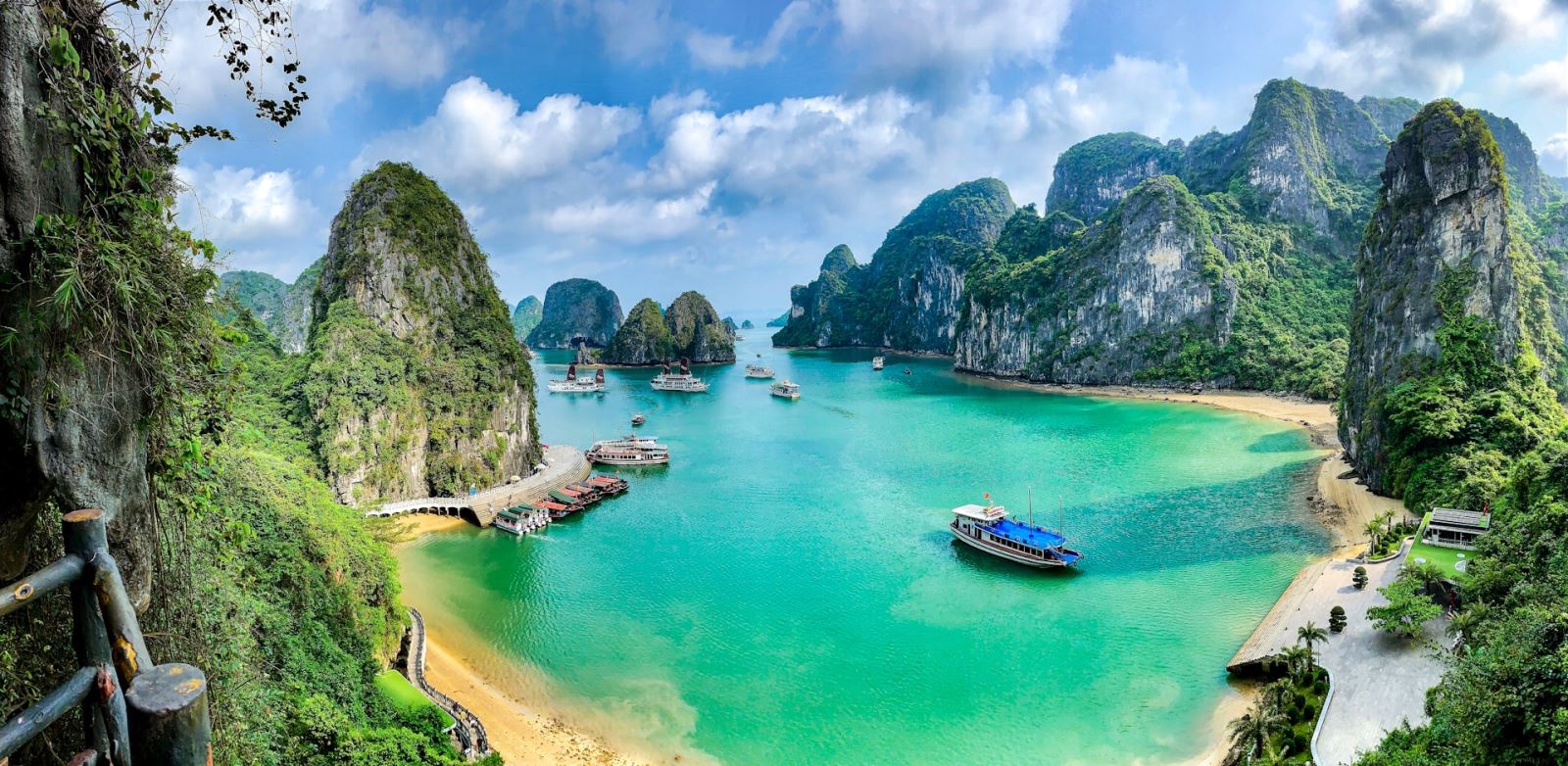
For slow travel, this quarter can be excellent when you keep transitions light and choose regions with higher predictability. Consider a North-led itinerary with heritage and landscapes, then add a southern pause for warmth and relaxation. The overall feel can be calm, atmospheric, and richly textured.
Best Time by Travel Style
This lens from Asia Bespoke Journeys helps you match timing to the experience you want, not just the forecast. It is also where a Vietnam leisure tour becomes more curated: fewer transitions, better timing, and more space to feel the place. Use the three styles below as your decision framework.
Best time for Artful Heritage Journeys
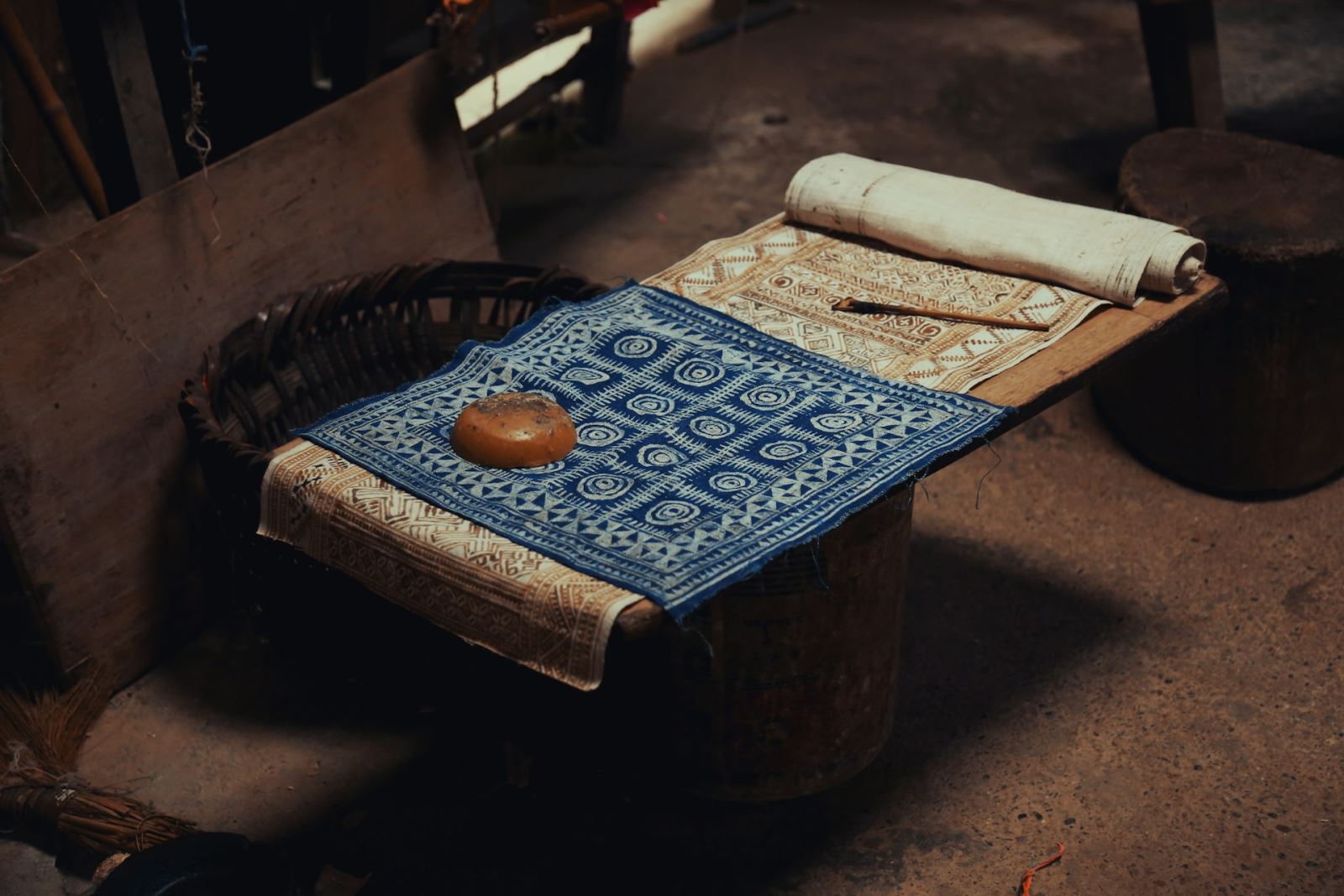
Heritage works year-round when you curate days around pacing and indoor options. Museums, cuisine, craft, architecture, and neighborhood walking routes can flex around weather without breaking the experience. The key is thoughtful timing by having one cultural anchor in the morning, then a softer afternoon built around taste, texture, and rest.
This approach also keeps Vietnam from feeling like a checklist. When the day is not over-scheduled, you have more time to notice small details, like light on old walls, quiet courtyards and slow meals, that are easy to miss in a rushed itinerary.
Best time for Adventure Soft Luxury in the north
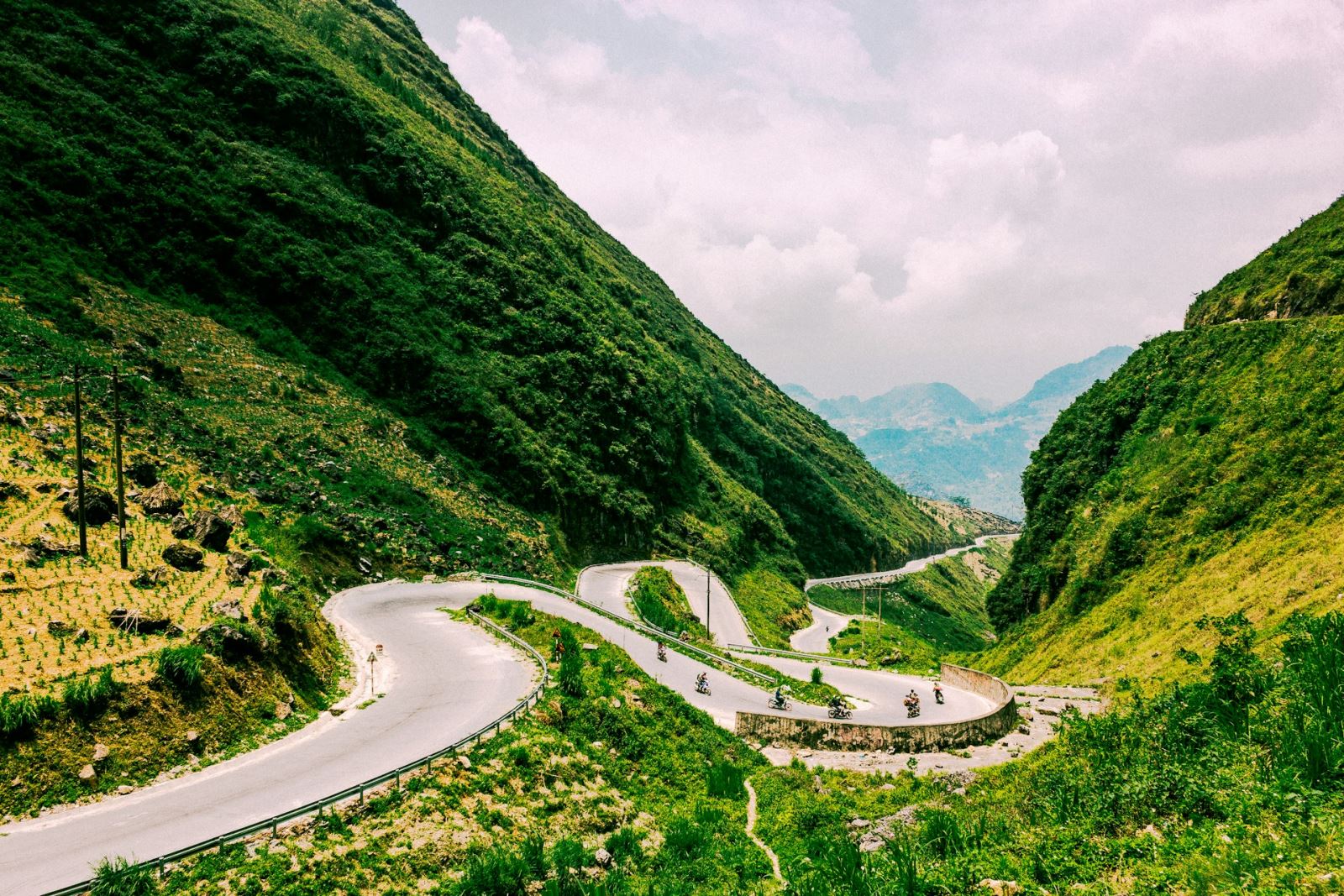
September - April is often favoured for comfort and visibility in the North, especially if your “adventure” is gentle by design. Cooler air and clearer day structure can make walking and scenic time more enjoyable than in peak heat and humidity. It is well-suited to travellers who want nature, but still want comfort-first pacing.
Adventure does not need to mean demanding so it is better for you to choose gentle routes, flexible walking levels, and private logistics that reduce friction. You can also build the day around one meaningful outdoors block rather than multiple strenuous segments.
Best time for Beach Relaxation
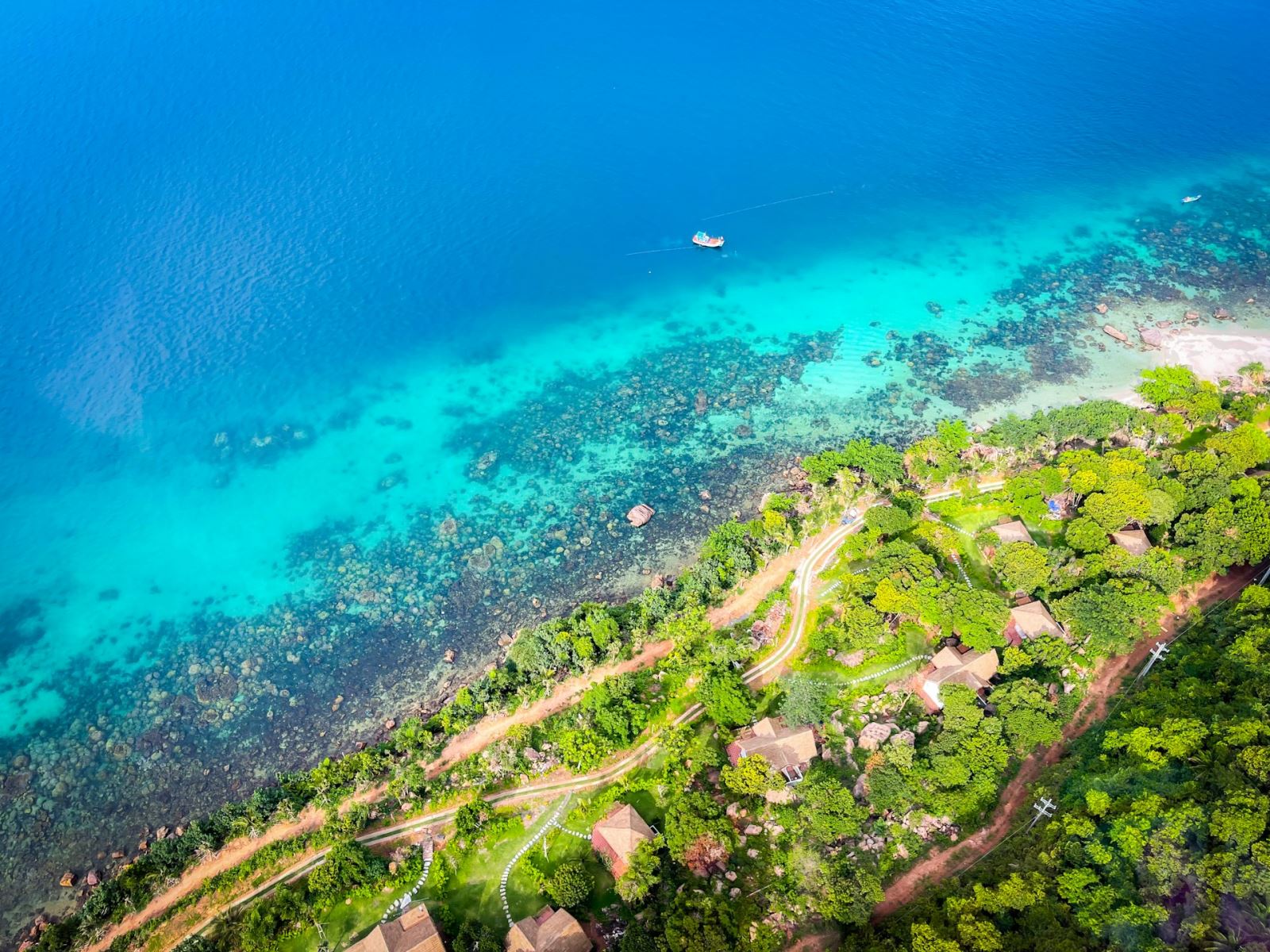
Beach timing in Vietnam depends on the coastline, so choose the region by month rather than assuming a single rule. Many travellers find their most consistently comfortable beach windows between January and September, but the ideal month still depends on which shoreline you choose and how sheltered your resort base is. For a more restful experience, it helps to choose a beach setting that remains comfortable even when conditions shift, with the option of slow mornings, privacy, and strong on-site dining and wellness.
July to September is typically the most weather-sensitive period in Phu Quoc, with heavier rain and rougher seas that can affect boat journeys and the feel of beach days. If your dates fall in this window, it can be worth considering alternative beach regions or keeping island time flexible, so the overall rhythm stays calm and well-paced. A resort-led stay can still be rewarding when wellness, dining, and privacy are strong, even if sea conditions are less predictable.
Vietnam Holidays and Cultural Moments in 2026
Holidays can add atmosphere, but they also shape logistics, pricing, and crowd patterns. The most common friction points are domestic travel peaks, altered opening hours, and transport demand, which is why a Vietnam private tour approach can feel especially valuable during peak weeks. The comfort advantage is simple: protected timing, fewer queues, and calmer transitions.
-
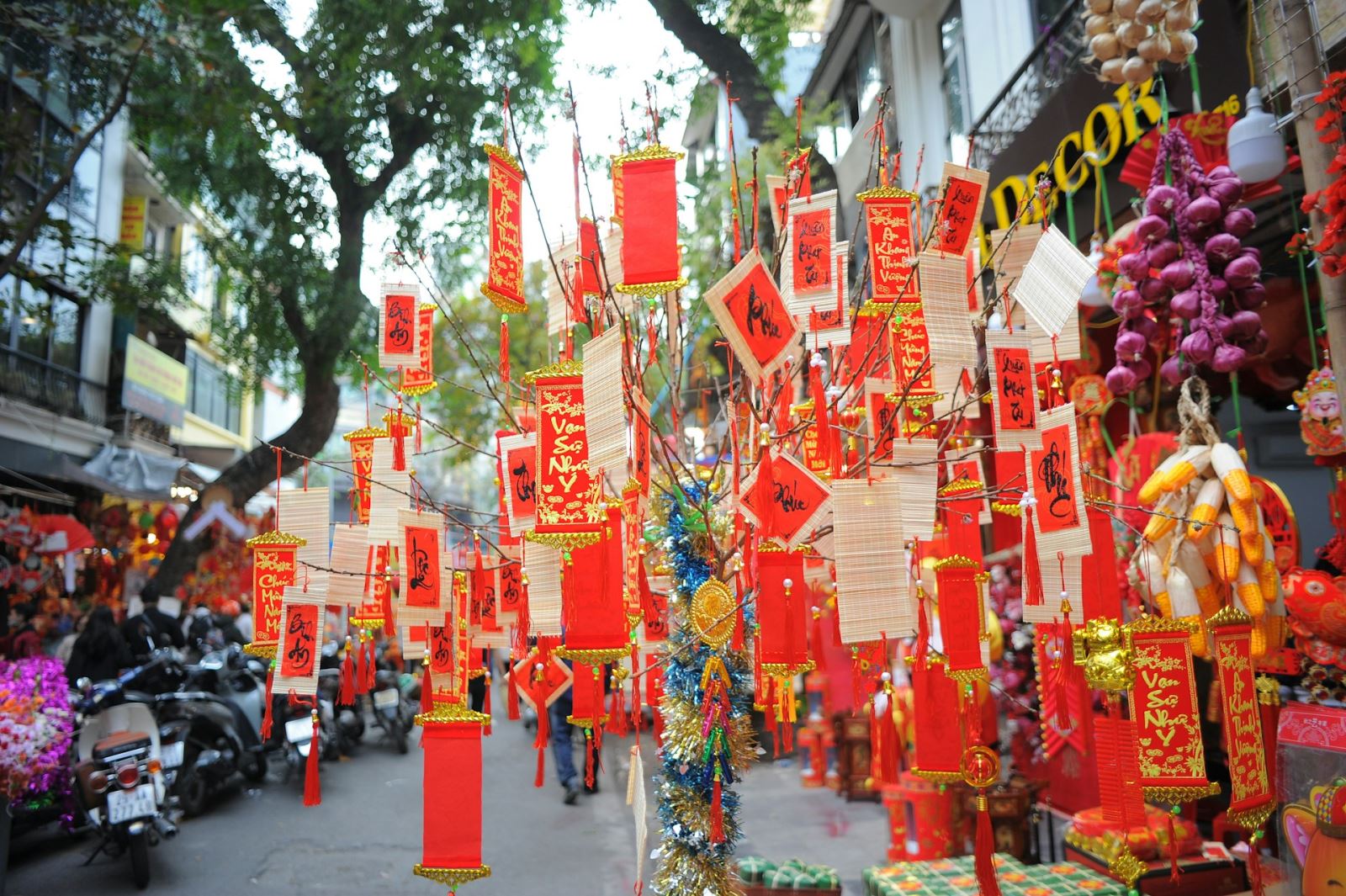
Tết (Lunar New Year): In 2026, Tết falls on Tuesday, February 17, and many travel providers anticipate a holiday period that can extend to about nine days (February 14 - 22), depending on official schedules.
-
What changes: Higher domestic demand; some closures or limited hours around the main days.
-
City feel: Hanoi often feels quieter in daytime as locals travel home. Ho Chi Minh City tends to stay more active, but flights and popular dining book out faster.
-
How to keep it smooth: Book earlier, keep the route simple, and plan key visits for early mornings.
-
-
Reunification Day and Labour Day: Reunification Day is April 30 and Labour Day is May 1, and 2026 creates a long-weekend pattern around these dates.
-
What changes: Hotel and transport demand rises. Central attractions can feel busier.
-
City feel: Ho Chi Minh City can feel more “eventful” in central areas. Hanoi often sees heavier outbound movement and fuller popular districts.
-
How to keep it smooth: Reserve hotels and transfers in advance, build buffer time for traffic, and keep sightseeing to early mornings.
-
-
National Day (early September): 2026 includes additional days off around Aug 31 and Sep 1 in many schedules, which can increase demand in popular hubs. If you prefer quiet, base yourself slightly away from major celebration zones and keep key visits to early mornings.
Travel Facts: During Tết, Hanoi can feel quieter in daytime as many family-run businesses pause, while evenings still have a warm, local energy in well-chosen districts. Ho Chi Minh City often stays lively, but popular dining and transport can book out faster.
Tip to travel well during public holidays: choose quieter pockets, book early, keep transitions light, and let private logistics carry the day.
What to Pack and What to Watch For
A luxury journey feels easiest when you plan for small comfort details, especially if you are combining regions in Vietnam travel. Instead of packing for one “set” temperature, it is usually better to prepare for change across the day, and a Vietnam slow travel plan with fewer moves may also help reduce weather-related disruptions.
Pack light layers for cooler northern mornings and air-conditioned spaces, plus breathable clothing for warmer regions and a compact rain jacket for wet-season months. Comfortable walking shoes are also important, as most trips include uneven pavements, temple steps, and market streets even at a gentle pace.
For day-to-day comfort, add sun and heat protection (hat, sunglasses, sunscreen), and a small health and hygiene kit such as insect repellent, hand sanitiser or wet wipes, and an anti-itch cream for occasional bites.
Before your journey begins, our Asia Bespoke Journeys’ travel experts will share the practical details you need, so your slow travel days feel calm and well-prepared from the start.
Quick Decision Guide: Choose Your Best Months in 60 Seconds
If you prioritise cooler, culture-led days, consider January to March and October to December, then route around Central Vietnam’s heavier-rain weeks. If your priority is North soft adventure, focus on September to April and choose gentle routes with flexible walking levels. If you want beach restoration, January to September can work well, but pick the coastline to match your dates and keep Phu Quoc mid-year plans flexible.
If you are travelling during Tết, it is worth expecting a domestic travel peak, with higher demand and some adjusted opening hours. Many travellers find the experience smoother with earlier bookings, lighter transitions, and days shaped around quiet mornings supported by pre-arranged logistics. Contact Asia Bespoke Journeys’ travel experts to have your unique journey crafted just for you.
Choosing the Best time to visit Vietnam 2026
Vietnam remains a year-round destination, and the best time to visit Vietnam 2026 is simply the season that supports how you want to feel each day: calm, comfortable, and unhurried. It often helps to begin with your priority, like heritage, soft adventure, or beach restoration, then match region and season to protect that experience. When the route is coherent, Vietnam travel feels soothing rather than complicated.
If you would like to support shaping a private, well-paced itinerary, you can explore Asia Bespoke Journeys’ options, start with a style that matches your rhythm, such as Artful Heritage Journeys, Adventure Soft Luxury in the North, or Beach Relaxation, then add details selectively. For travellers browsing Vietnam luxury vacation packages, pacing, privacy, and thoughtful transitions usually matter most. Once those are set, the highlights tend to fall into place naturally.
Feeling like you still need more advice on this? Speak to our travel experts today via email hello@asiabespokejourneys.com or Whatsapp us via (+84) 915 930 725 to have your Vietnam journey crafted just for you.
Written by Asia Bespoke Journeys' experts.