.png)

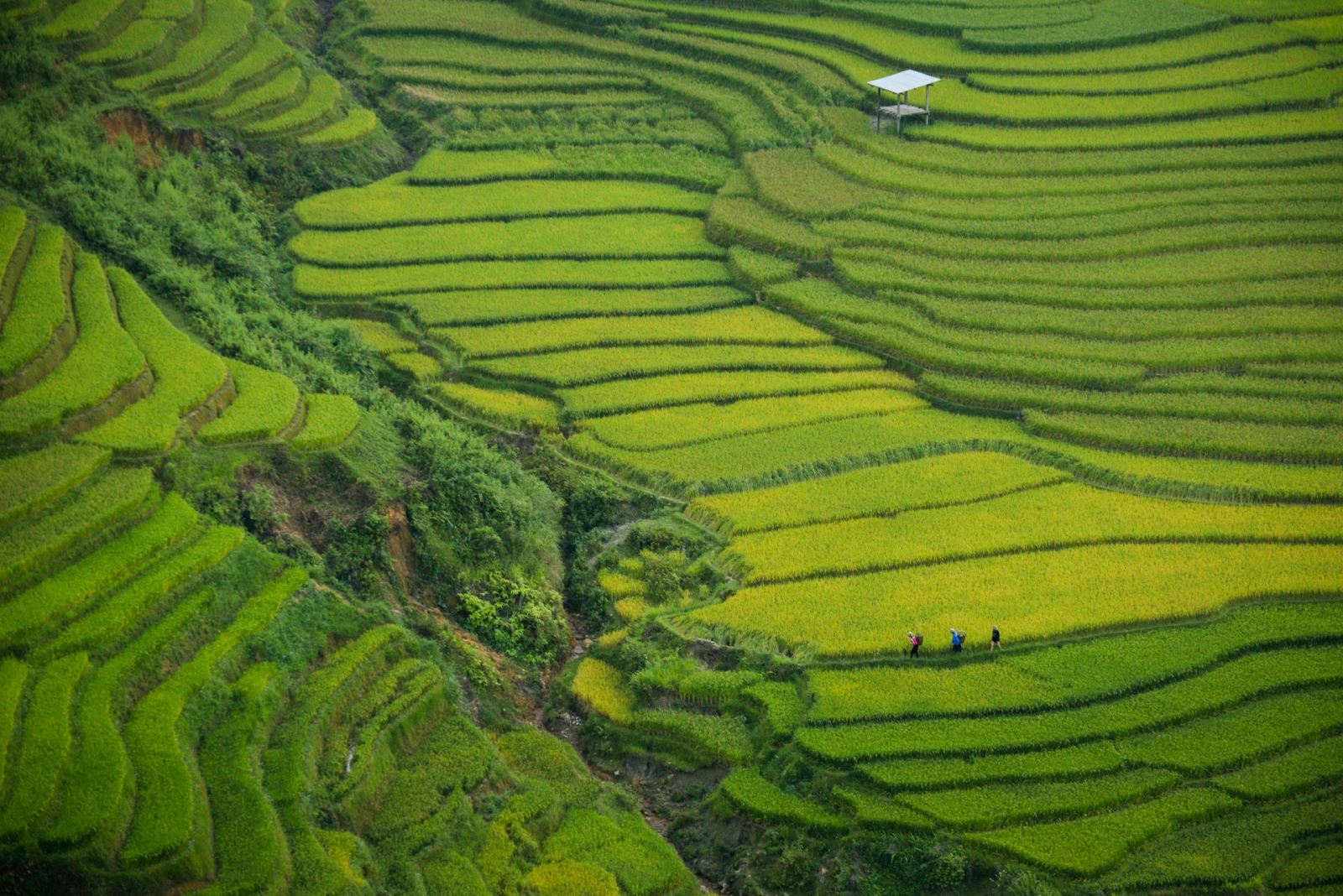
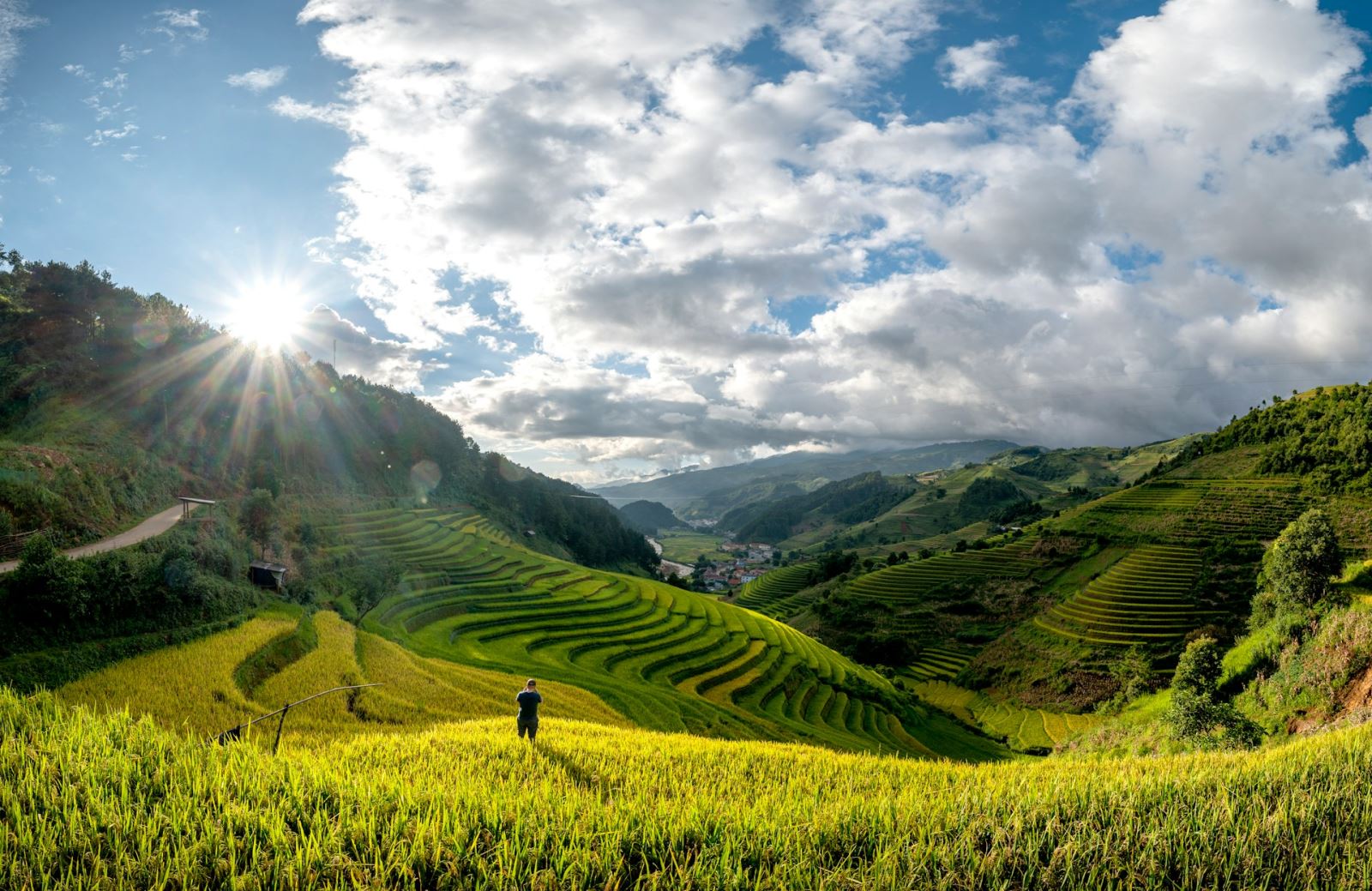
Rice field season, one of the best time to travel Southeast Asia (Photo by Unsplash)
Southeast Asia is a year-round destination, but the best time to visit South East Asia is rarely one perfect month for every country and coastline, especially when you are combining Vietnam, Thailand, Cambodia, and Laos in a single journey. The right timing depends on season, region, and travel style, particularly if you value comfort, privacy, and a slower pace with smooth logistics between stops.
This guide from Asia Bespoke Journeys translates weather patterns into practical travel windows and matches them to your travel styles, so you can shortlist months, routes, and pacing with confidence.
Southeast Asia Weather at a Glance
Southeast Asia does not follow one single calendar because the region moves in two different rhythms. The first is Mainland Southeast Asia (Vietnam, Thailand, Cambodia, Laos), where temperature and rainfall shift by season and latitude. The second is Islands and coasts, where monsoon timing and sea conditions can vary dramatically from one shoreline to the next.A reassuring note for high-end planning: even in wetter months, rain often arrives in short, predictable bursts rather than constant all-day washouts. If you are travelling on Southeast Asia private tours, the journey can still feel smooth because private transfers, buffer time, and flexible sequencing absorb most weather-related friction.
Mainland vs Islands
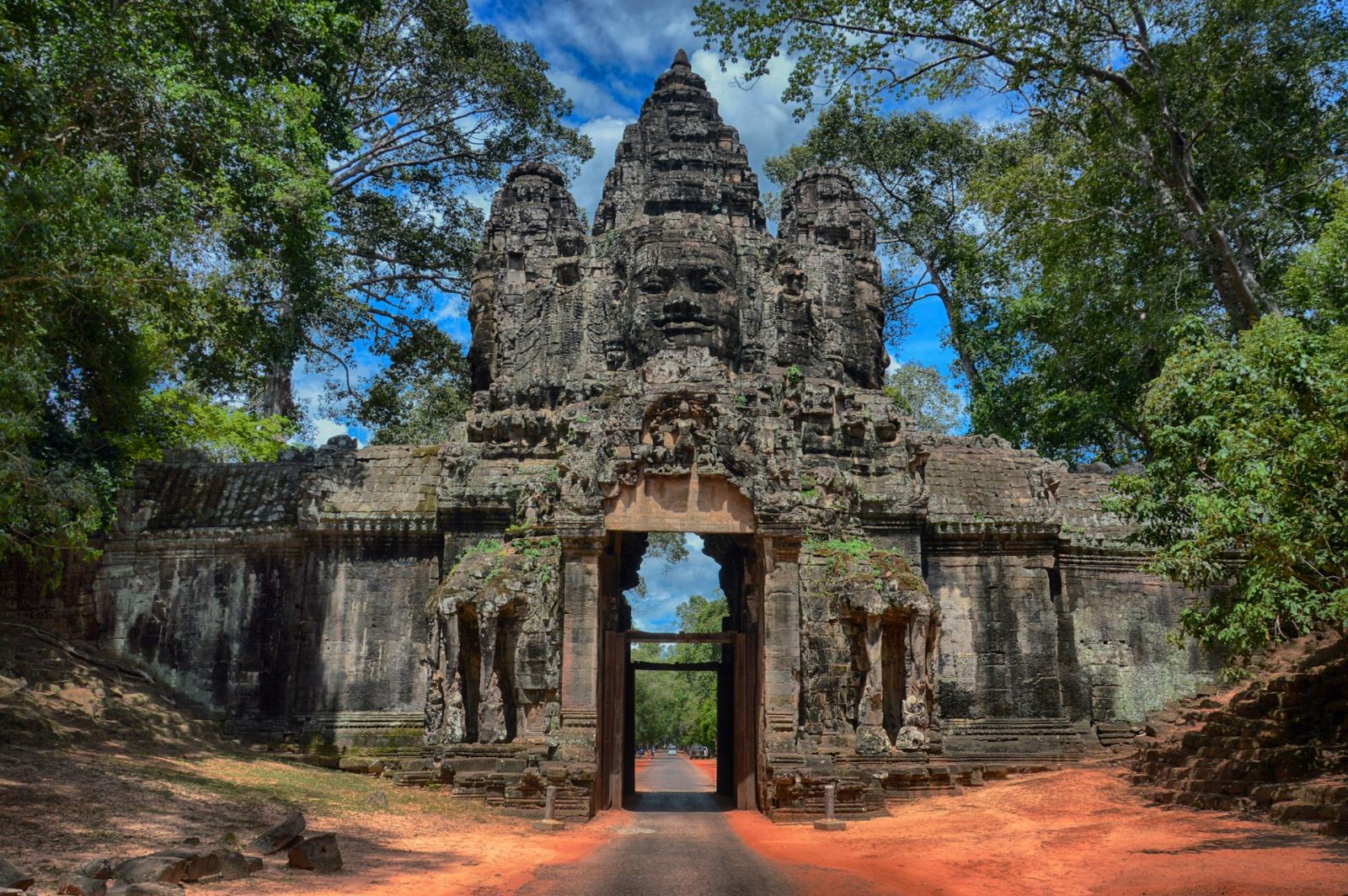
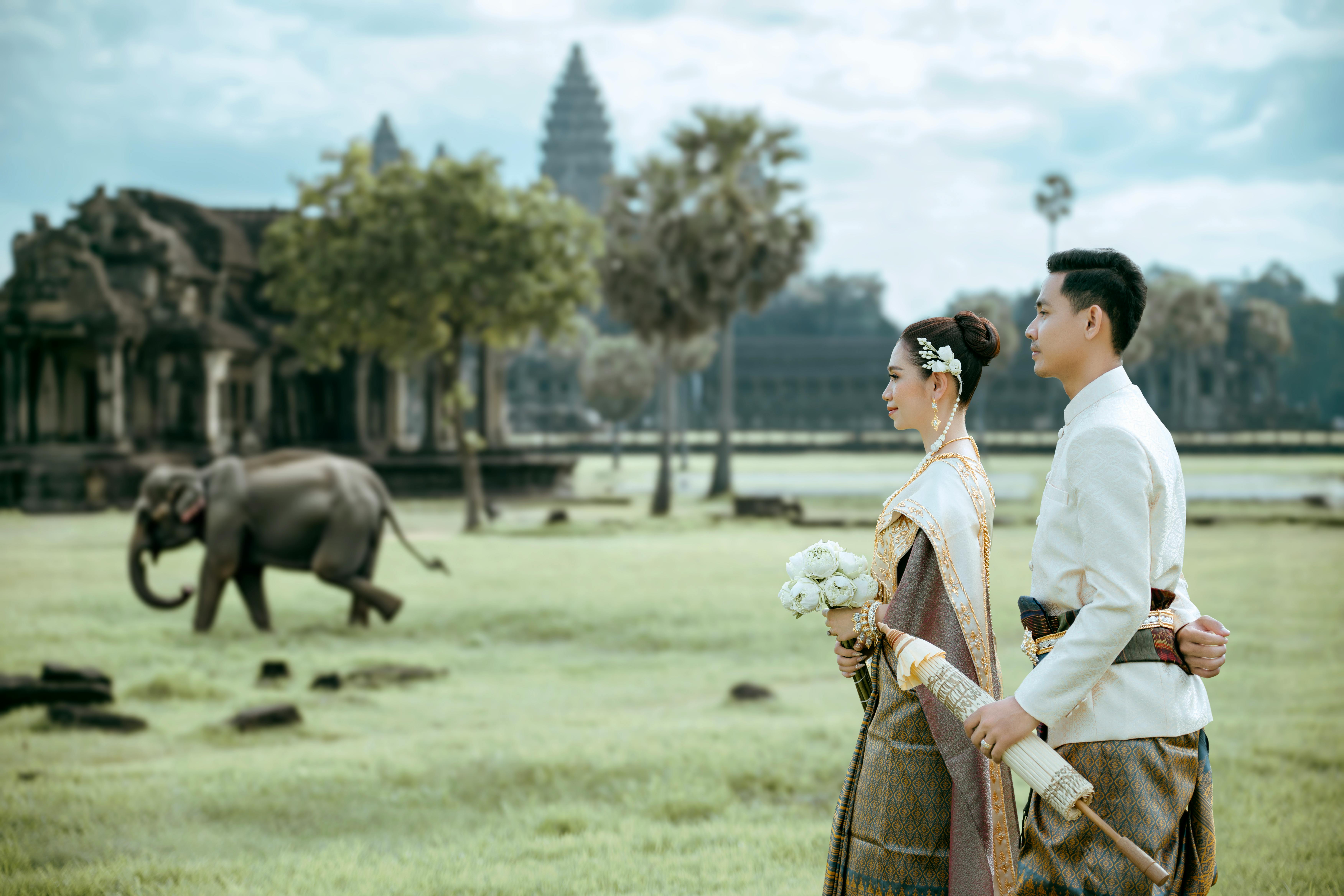
Angkor Thom East Gate in Siem Reap, Cambodia (Photo by Unsplash)
Mainland routes tend to feel easiest in the cooler, drier months, especially when your days include walking, heritage lanes, and open-air dining. This is when classic multi-country journeys often feel most effortless, because travel days are simpler and outdoor sightseeing is more comfortable.

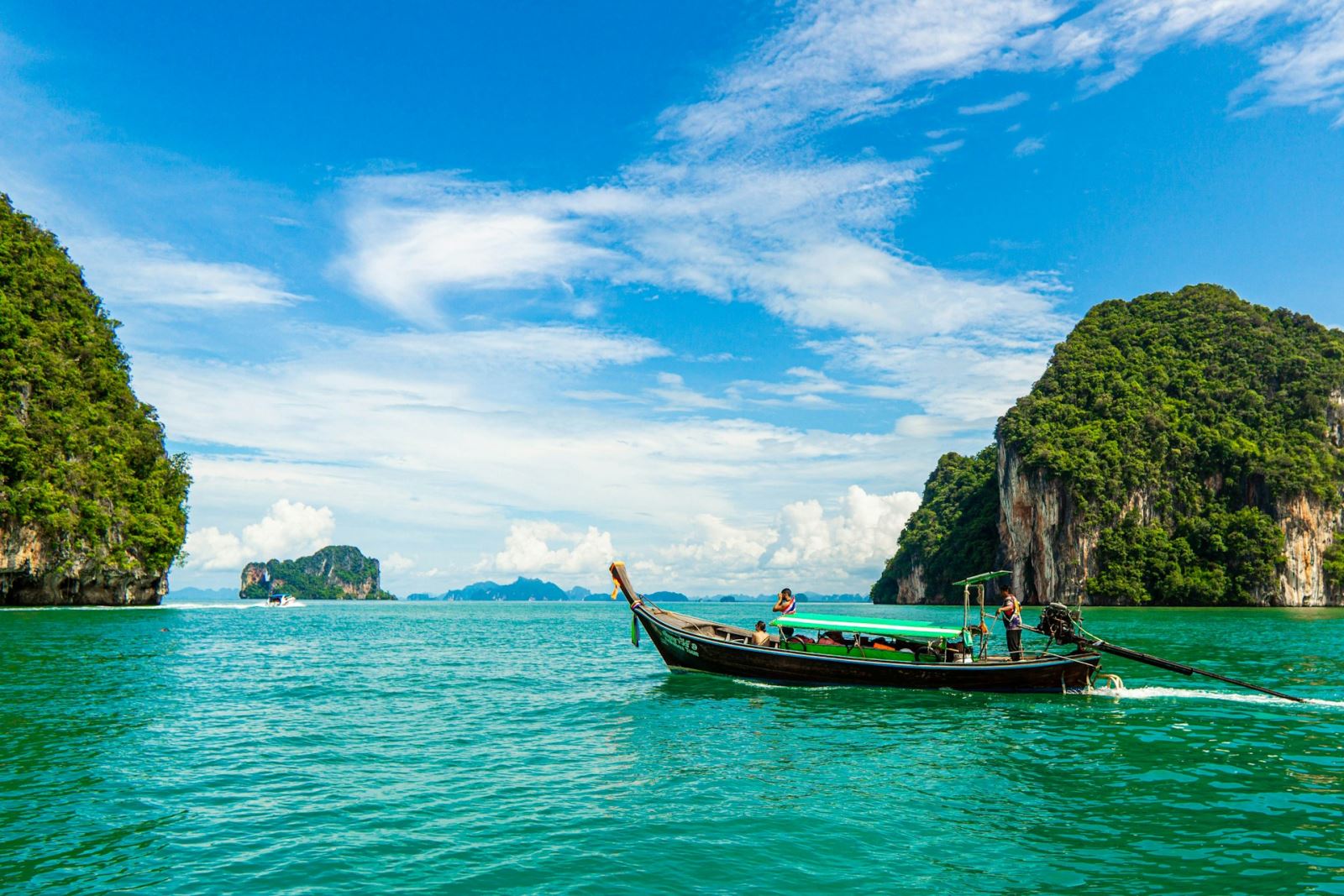
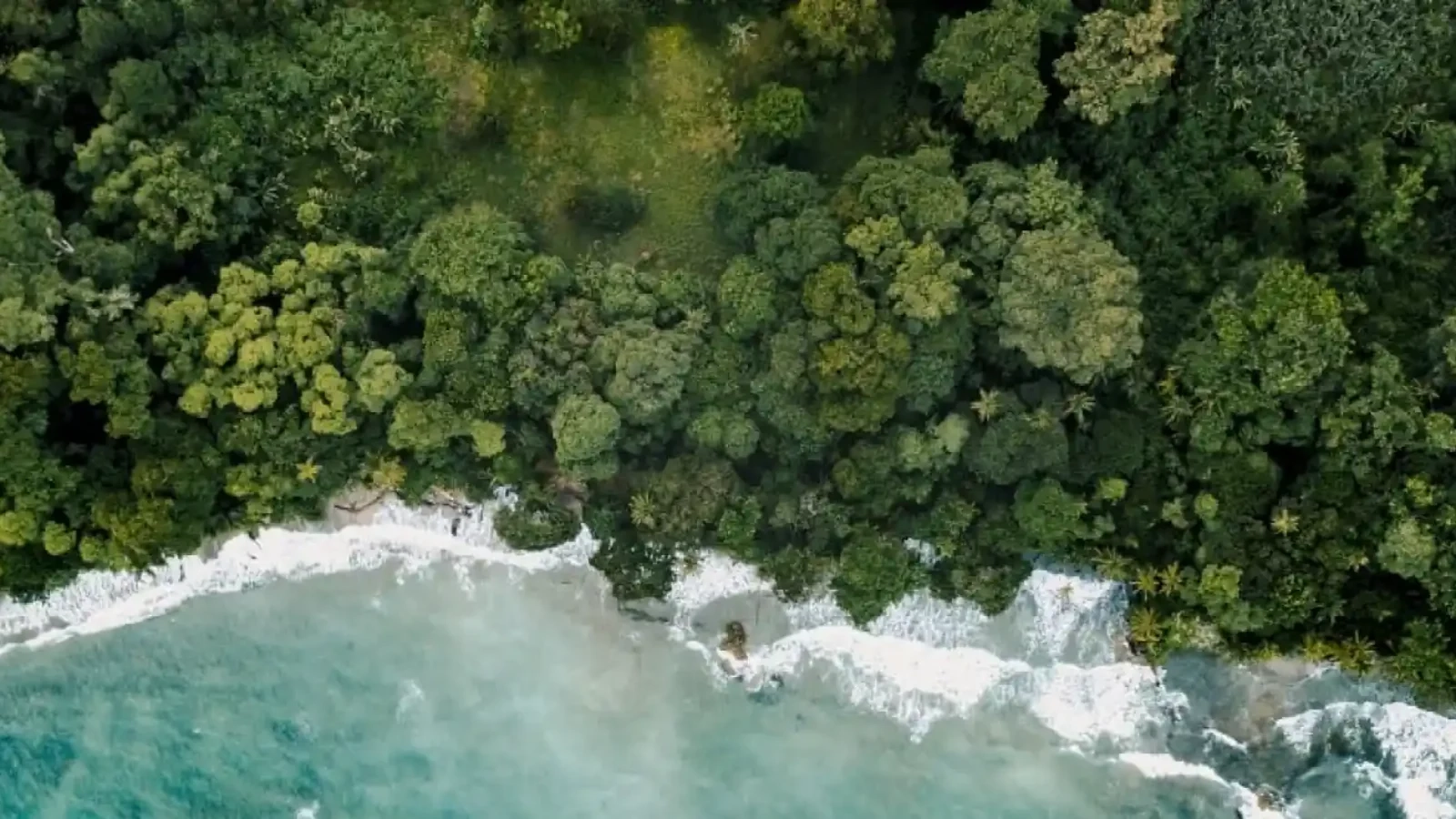
A beach in Koh Phangan, Thailand (Photo by Unsplash)
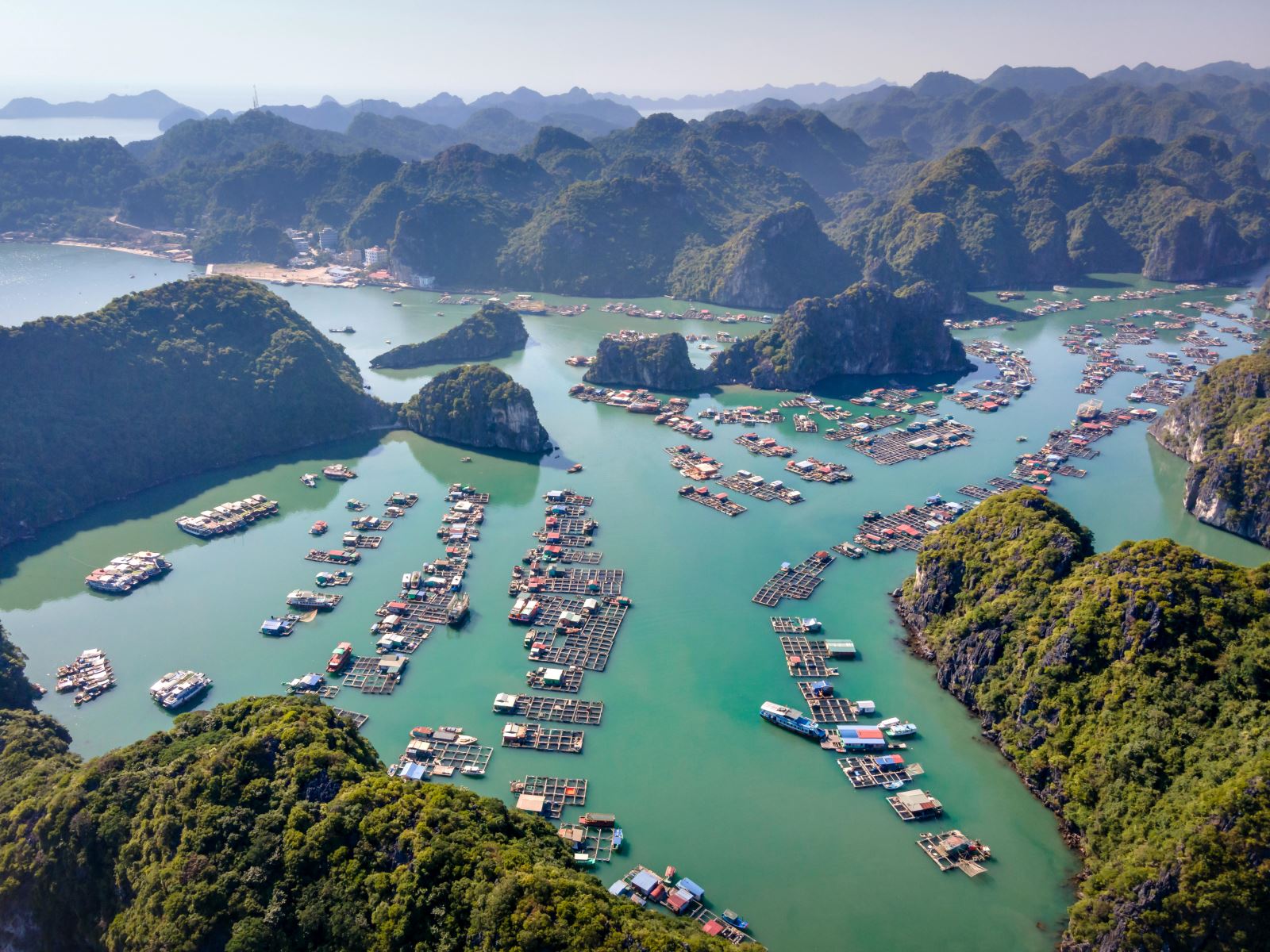
Islands and coasts work best with a different logic: match the right coastline to the right month rather than assuming one rule for the whole region. Calm sea conditions often make the difference between a beautiful, restorative beach day and a tiring one, so coastal planning is best done intentionally.
Dry vs Green season
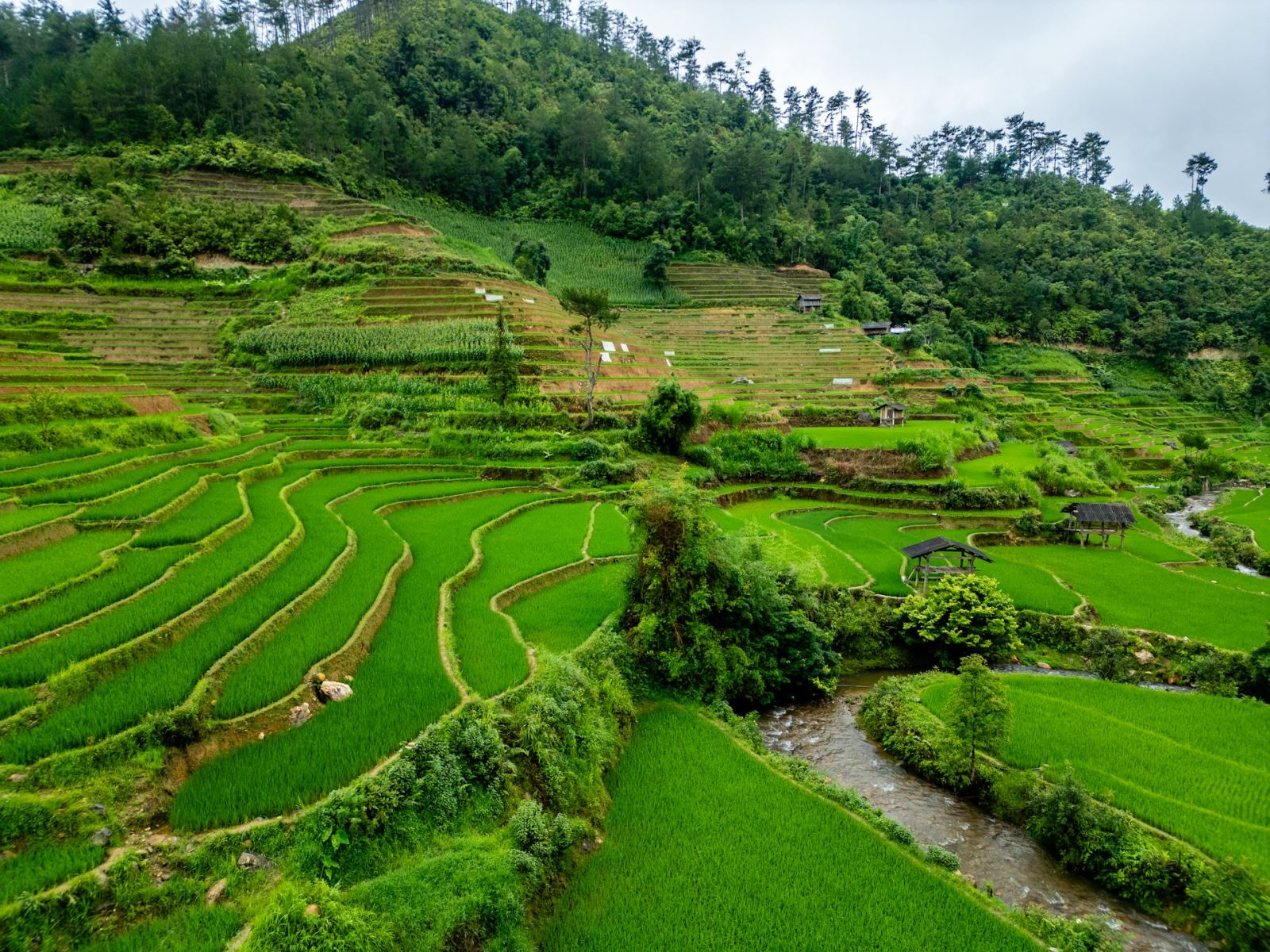
Mu Cang Chai, Vietnam in green season (Photo by Unsplash)
You will often hear that “dry season is best,” and for first-time travellers it can be a helpful shortcut. Yet the green season can be exceptional for high-end travellers who prefer quieter hotels, softer light, and a slower rhythm, as long as the itinerary is designed for comfort. A simple structure works well: one meaningful highlight, a long lunch, and a flexible afternoon that can shift between indoor and outdoor.
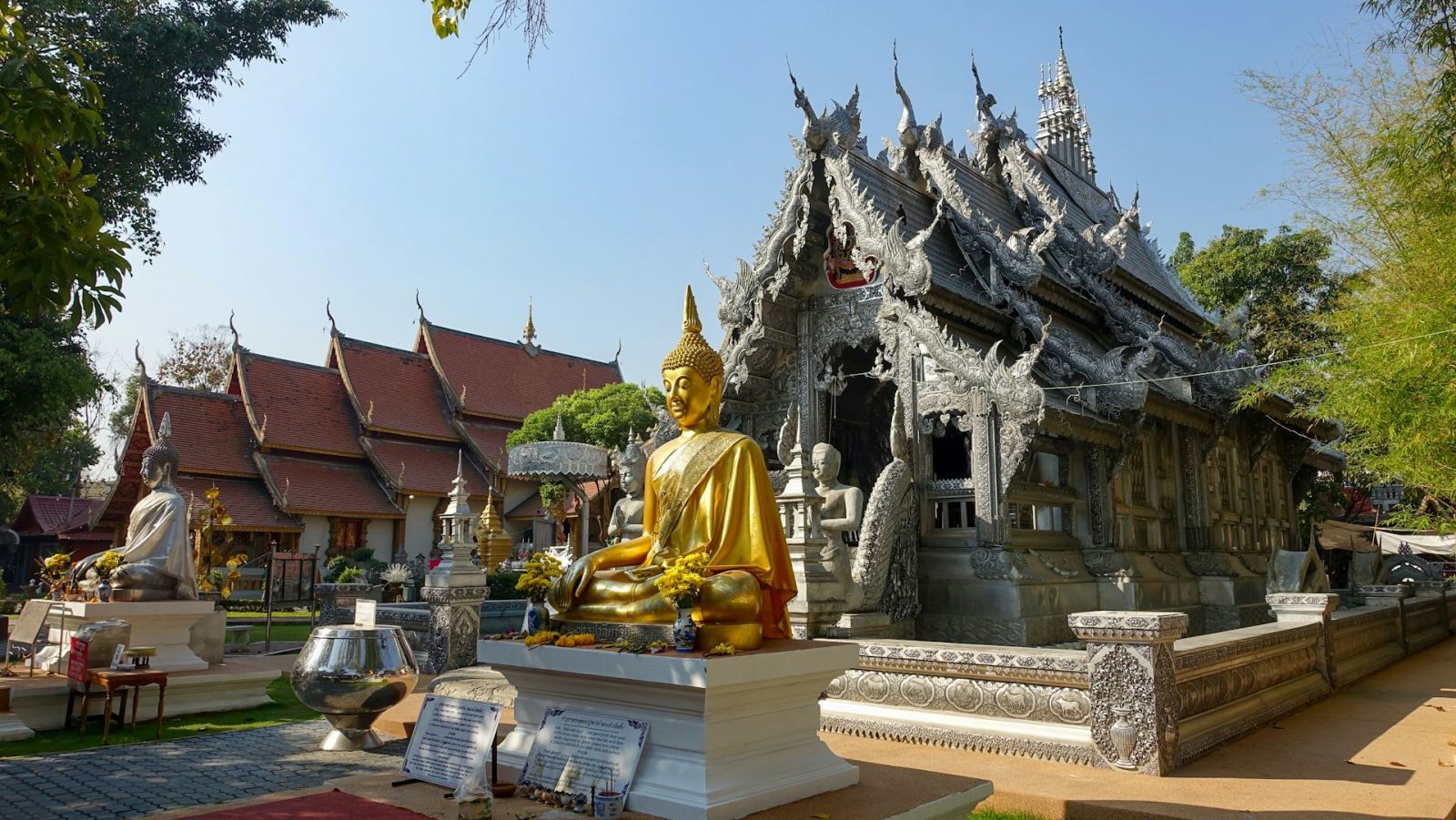
Silver Temple in Chiang Mai in January (Photo by Unsplash)
At Asia Bespoke Journeys, we define a luxury journey not by avoiding weather at all costs, but instead, having the pacing and privacy to stay relaxed regardless of what the sky does.
Southeast Asia’s 4 Key Travel Windows
Rather than a long month-by-month calendar, the four travel windows mentioned below will make your planning simpler and more accurate for multi-country routes.November to February (classic comfort for mainland routes)
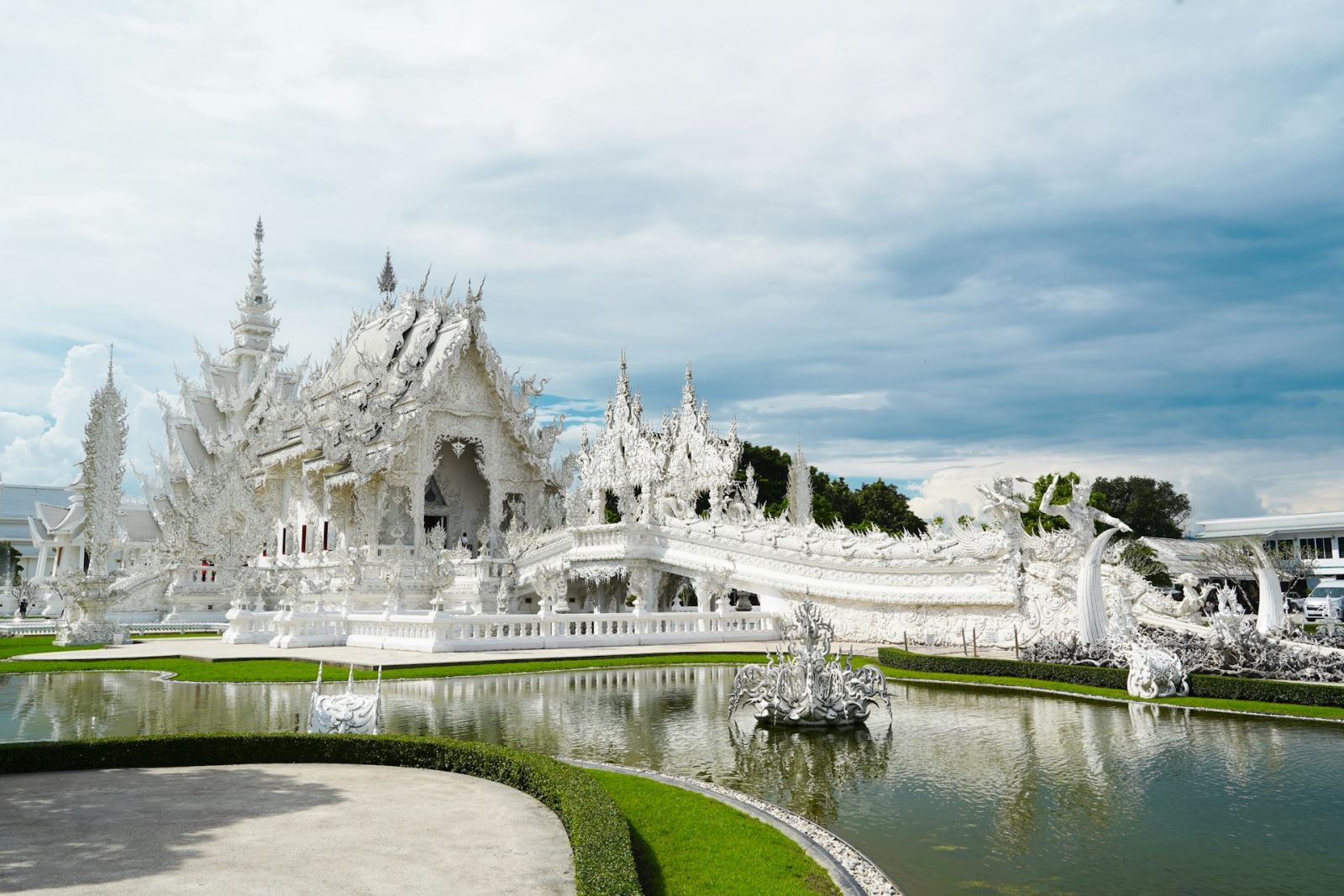
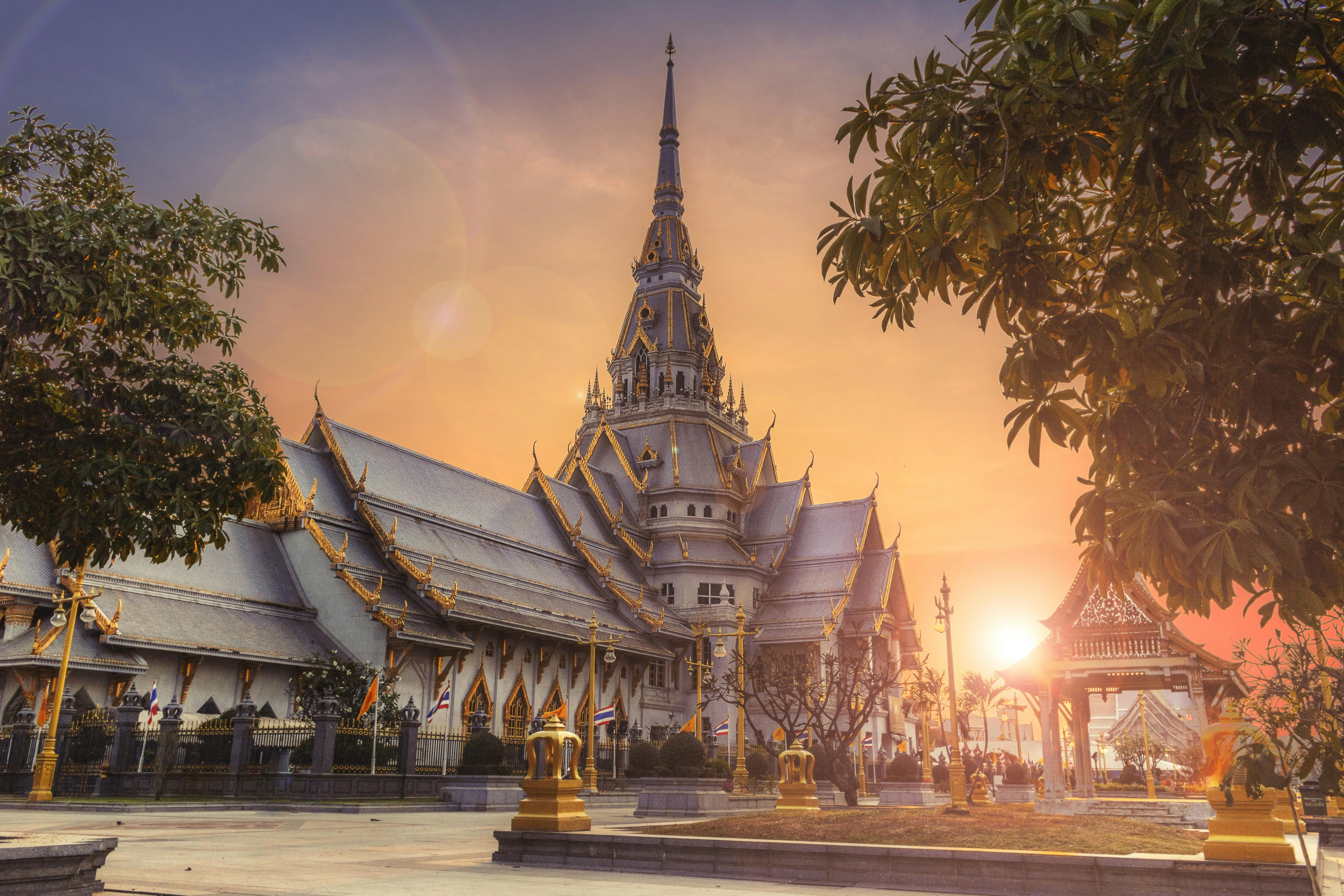
Wat Rong Khun (White Temple) in Chiang Rai, Thailand (Photo by Unsplash)
For many travellers, these are the most comfortable months for Mainland Southeast Asia. Temperatures tend to feel gentler, humidity is often lower, and walking-heavy days, with temples, old quarters and markets, are easier to enjoy without constantly seeking shade.
This is also peak season in many places, so popular areas can feel busier. Our travel experts’ solution to this is timing: plan early starts for headline sights and build in calmer corners for the rest of the day, such as artisan studios, quiet cafés, or riverside evenings away from the busiest streets.
March to May (hotter, but still elegant with pacing)
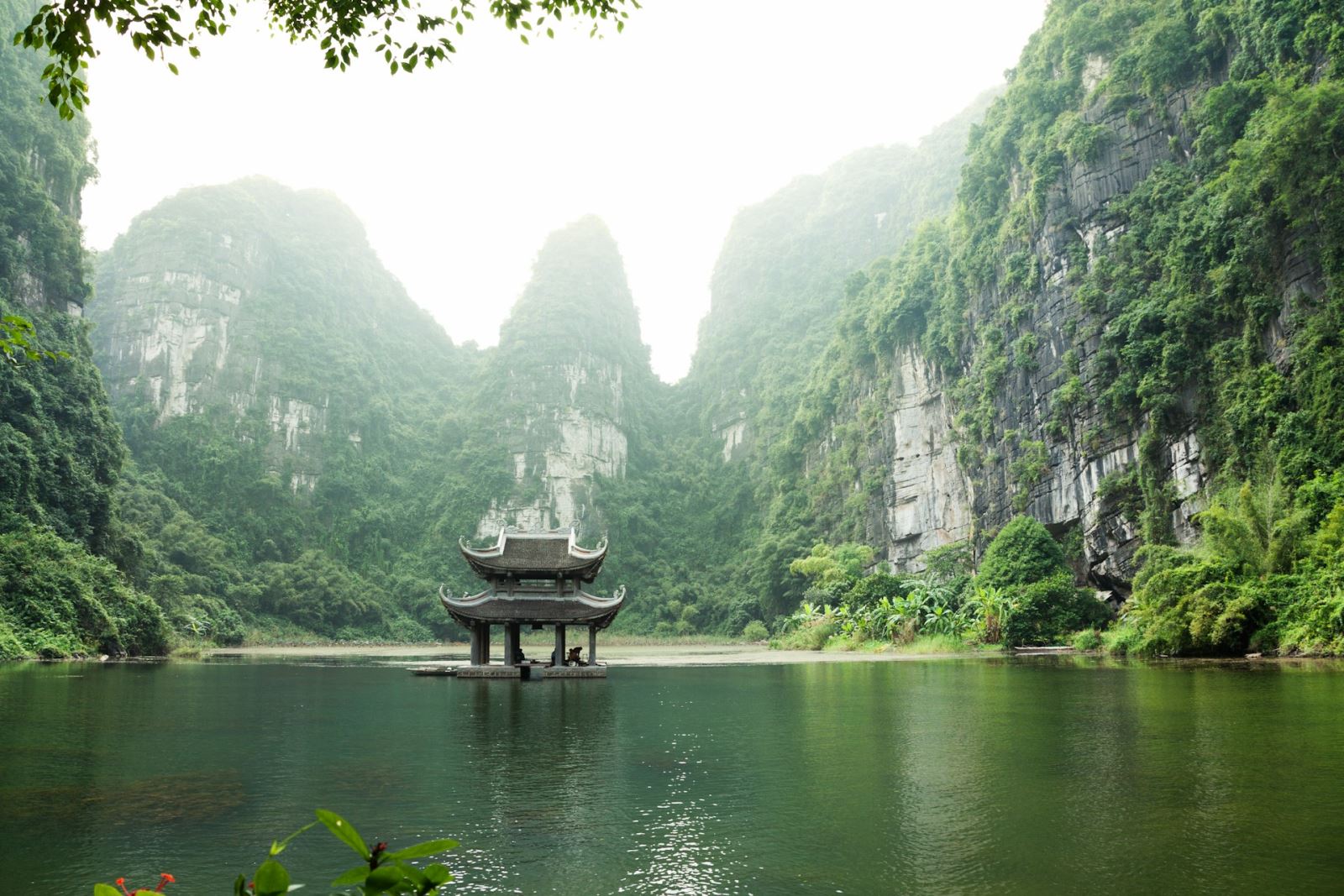
Trang An, Ninh Binh in May (Photo by Unsplash)
March to May can be warmer and more humid across much of the region. These months work beautifully when you apply this scheduling method: start early, take a long midday break, then return for a late-afternoon experience when the heat softens.
This is a strong season for travellers who enjoy cuisine, craft, spa time, and museums. When the day is designed around comfort rather than volume, this period can still feel polished and restorative.
June to August (Green Season Discovery: lush and quieter)
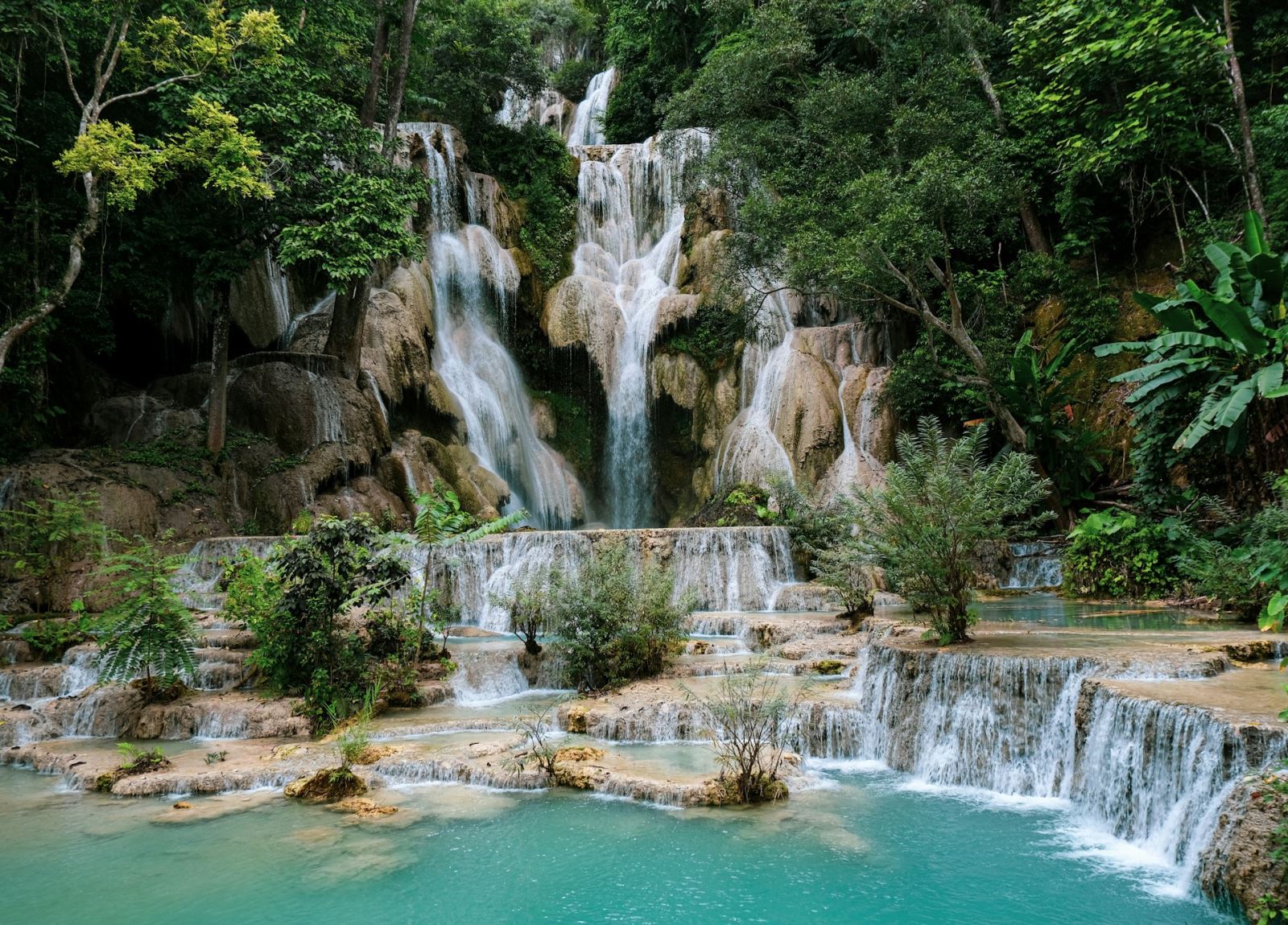
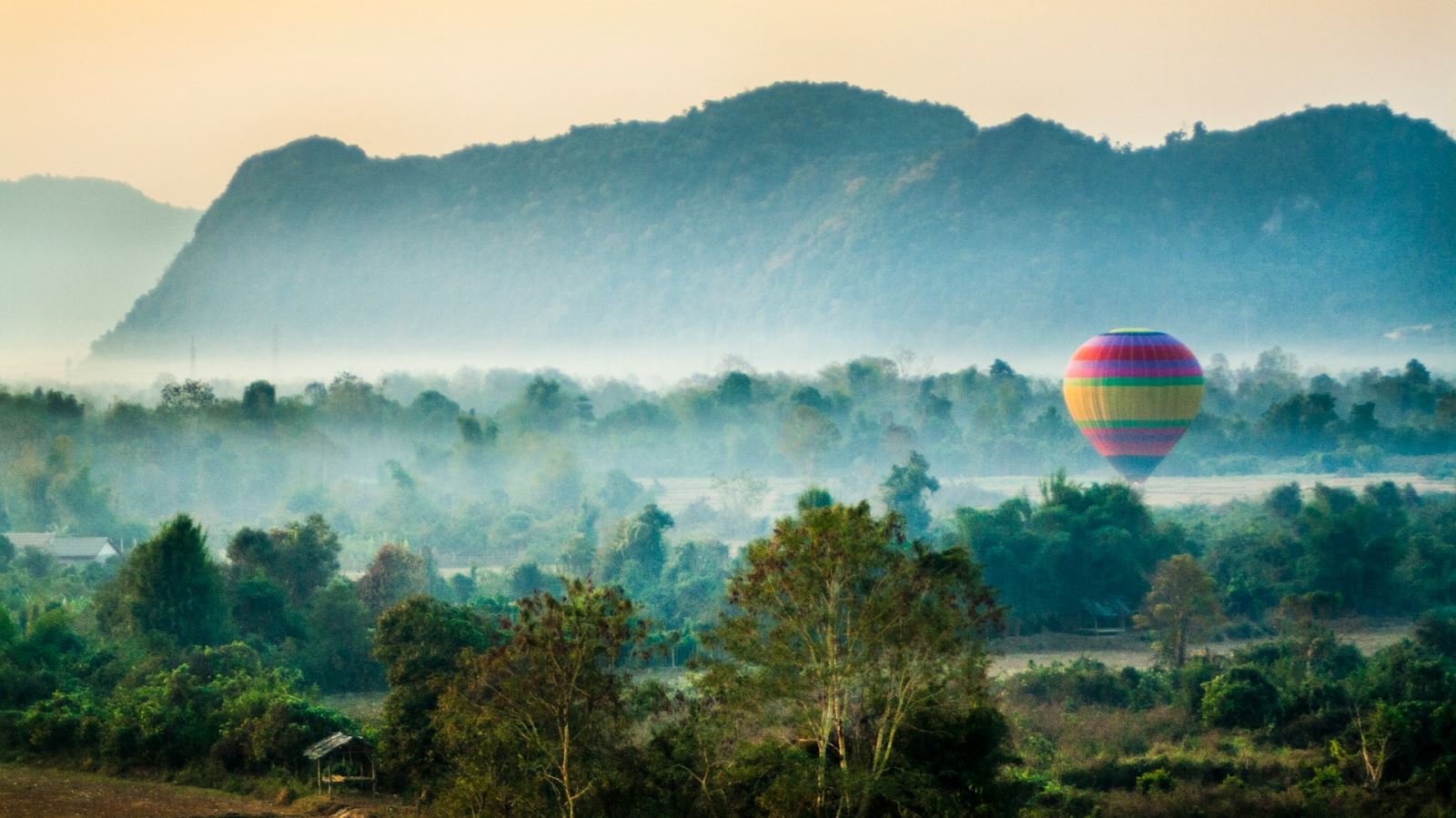
Kuangsi Waterfall, Laos in green season (Photo by Unsplash)
The classic Green Season Discovery season is from June to August in much of Southeast Asia. Landscapes look vivid, rice fields and forests feel at their greenest, and many destinations can feel less crowded than in peak months.
Rain is possible, but it is often manageable with flexible planning and a clear indoor alternative. If you like slow mornings, long lunches, and an easy rhythm that can adapt, these months can suit you well.
September to October (transitional, route design matters)
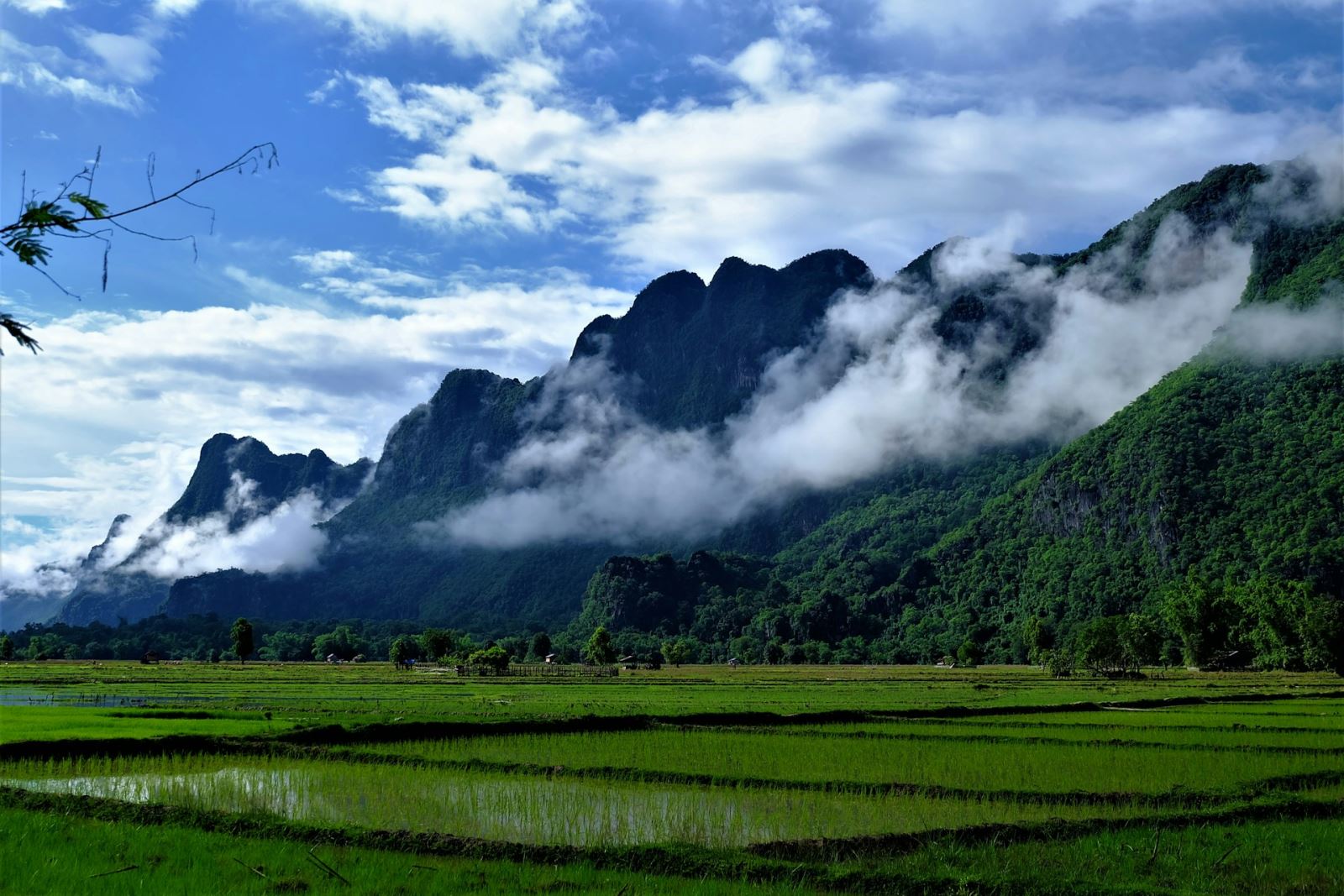
Green field view in Southern Laos in October (Photo by Quang Nguyen Vinh from Pexels)
September to October is a transition period, so conditions vary by region as some areas begin to settle into drier weather while others still see heavier showers. That is why route design matters more than general rules.
This window often appeals to travellers who want to avoid peak crowds without giving up comfort. With shorter travel days and a calm base in each country, it can feel quietly rewarding.
Best Time by Travel Styles (Asia Bespoke Journeys’ lens)
High-end travel is less about chasing “best weather” and more about aligning seasons with the way you want your days to feel. Below are Asia Bespoke Journeys’ four travel styles, with practical timing guidance and soft, curated options.Artful Heritage Journeys (culture, crafts and cuisine)
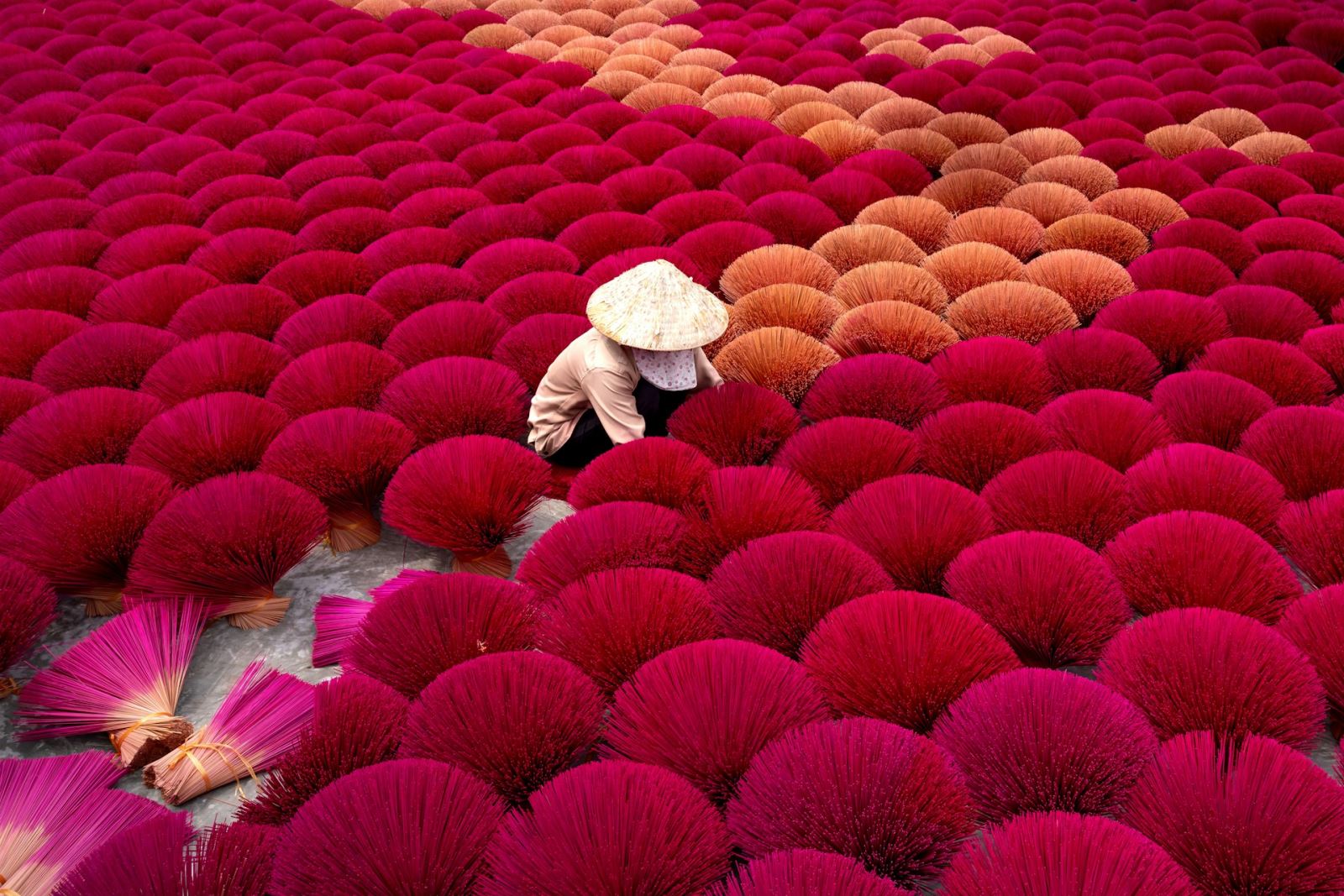
An incense village in Vietnam (Photo by Unsplash)
Artful Heritage Journeys can work year-round because culture is not dependent on perfect weather. That said, November to February is often the easiest window if your ideal day includes longer walks, outdoor heritage lanes, and temple mornings without heat pressure.
This is also where “high-end heritage” becomes effortless: museums and craft ateliers in the afternoon, then cuisine-led evenings that feel unhurried. If you’re comparing asia tour packages or a south east asia package tour with a cultural focus, this window is usually the simplest foundation.
Explore Asia Bespoke Journeys’ Southeast Asia Discovery: Thailand - Laos - Vietnam & Cambodia (21 days) (Tour Highlights of South East Asia).
Active & Adventure Luxury (soft adventure, comfort-first)
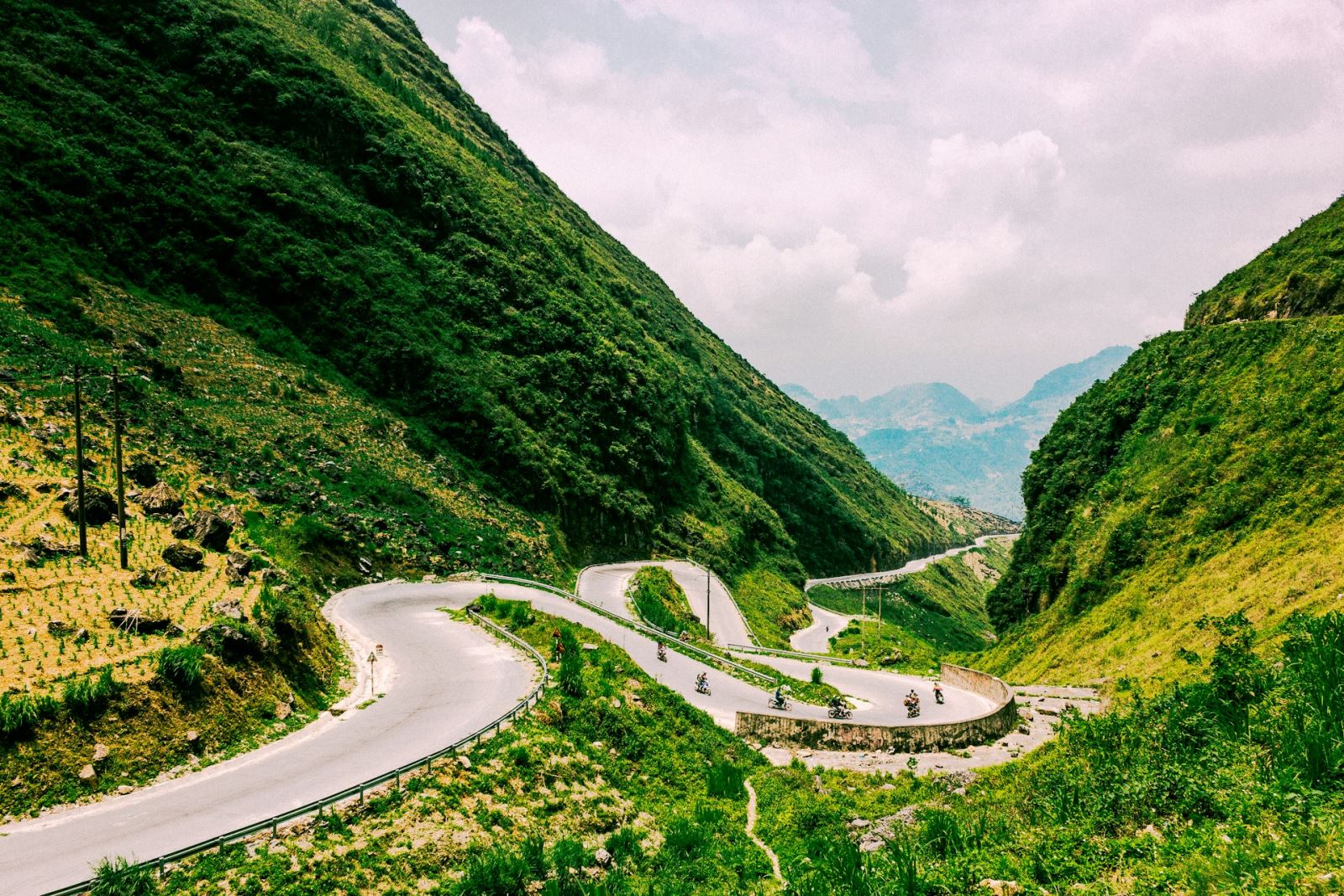
Motor ride in Ha Giang, Vietnam (Photo by Unsplash)
Active & Adventure Luxury is at its best when the body feels comfortable as walking, cycling, gentle hikes, and outdoor scenes become more enjoyable when heat is not extreme. You can aim for November to February, or consider September to October depending on the route and elevation.
If you travel in June to August, keep it “soft adventure” and always include a Plan B. That might mean swapping an outdoor block for a craft visit, a food experience, or a wellness pause when showers pass through.
This is where a curated asia tour or a thoughtfully paced southeast asia trip package can feel elevated: you still do meaningful outdoor experiences, but you never fight the day.
View our Active & Adventure Luxury journey in Southeast Asia.
Family Connection Journeys (multi-generational comfort)
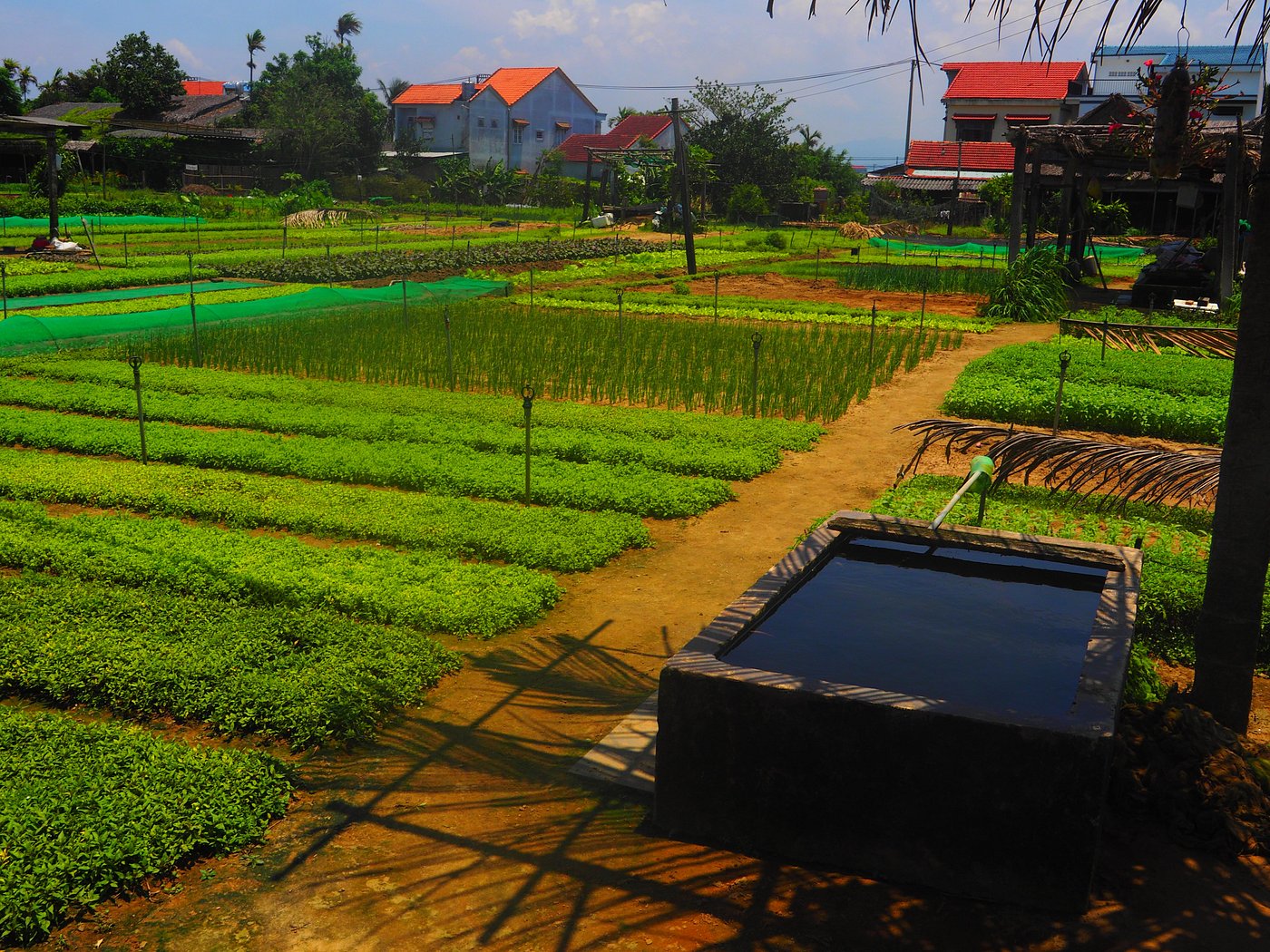
Tra Que Organic Vegetable Village for plants growing activities in Vietnam (Photo by JorgeColuna/Tripadvisor)
Multi-generational travel thrives when the route is stable, transfers are short, and the day has a comfortable rhythm. The easiest choice is typically November to February, or a shoulder window like late October or early March if you prefer slightly quieter travel.
Family Connection Journeys also benefit from “fewer moves”: longer stays, calmer bases, and a clear flow that avoids early mornings every day. If you are browsing south east asia holiday packages or south east asia travel packages designed for multi-generational comfort, prioritise predictability and pacing over volume.
Browse Asia Bespoke Journeys’ south east asia holiday packages designed for multi-generational travel.
Soulful Wellness Retreats (quiet luxury, restorative pacing)
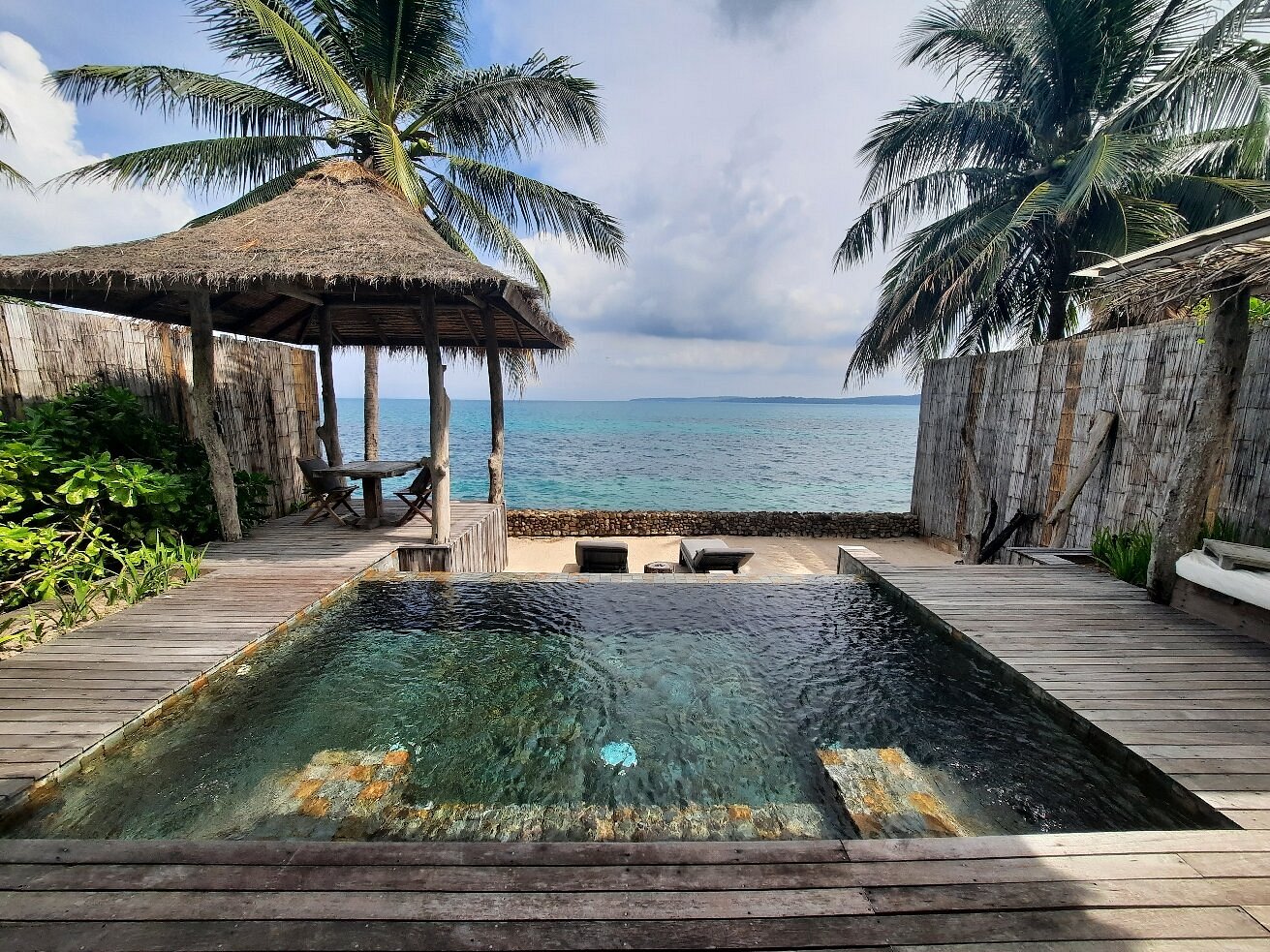
Song Saa Private Island with outside pool and lushes (Photo by Shyn - Tripadvisor)
Wellness-led journeys can be designed year-round, because the goal is restoration rather than constant sightseeing. If you enjoy lush landscapes and fewer crowds, June to August can offer “quieter moments” that suit a retreat-like rhythm.
A wellness journey is often most luxurious when it has space: slower mornings, longer stays, and a calm sequence from culture into retreat. This is where an asia luxury tour feels truly different, especially when planned with gentle transitions and generous downtime.
Explore our South East Asia private tour for wellness-led journeys.
Suggested Multi-Country Timing
When you’re combining countries, “best time” becomes about sequencing as much as weather. These three timing models help you plan multi-country travel with fewer compromises.Classic Mainland Comfort (November – February)
This is the easiest window for a multi-country arc across Vietnam, Cambodia, Laos, and Thailand. It supports heritage pacing like cities, culture, and slow evenings, without constant weather management.It is also ideal for travellers who want variety without fatigue: a calm base in each country, then curated day trips rather than daily hotel changes. This is especially strong for Artful Heritage Journeys, family comfort, and soft adventure at a gentle pace.
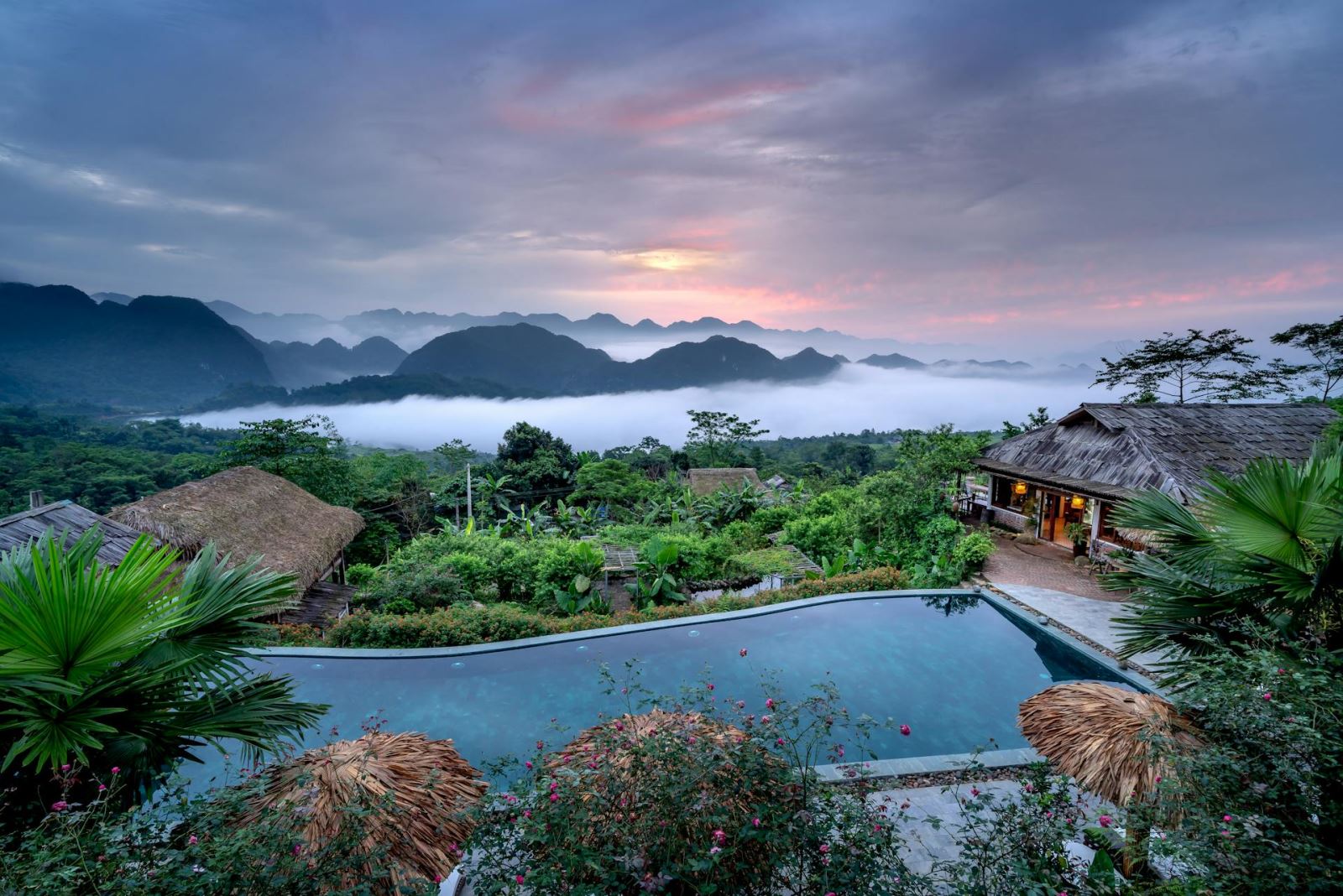
A calming retreat in Pu Luong, Vietnam (Photo by Quang Nguyen Vinh from Pexels)
Shoulder Balance (late October or early March)
This time of the year can balance crowds, pricing pressure, and generally comfortable travel conditions. It suits travellers who want “high-end without peak pressure,” and who prefer calmer hotels and more open space at major sights.The best approach here is selective routing: choose two to three countries rather than trying to fit everything. Comfort increases dramatically when travel days are shorter and stays are longer.
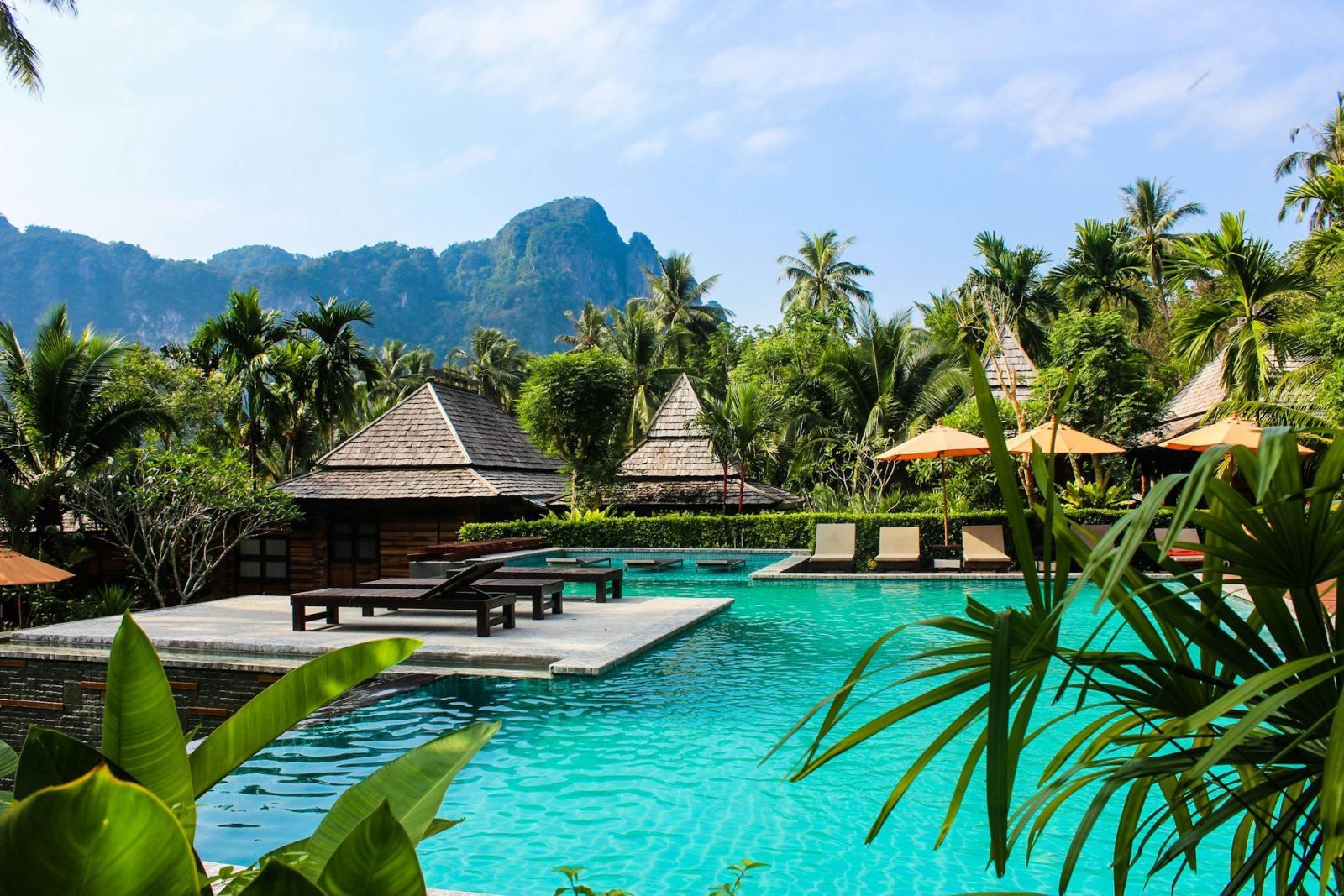
A Thailand resort with pools and relaxing spaces (Photo from Unsplash)
Green Season Calm (June – August)
If you value lush landscapes and a quieter feel, this can be a choice, especially with a comfort-forward itinerary. Prioritise buffer time and experiences that remain enjoyable with flexible timing: cuisine, craft, wellness, and gentle nature.This is also suitable for travellers who enjoy slower days and do not mind letting the afternoon remain open. For planning clarity, you can treat your journey like Vietnam tours, Thailand tours, Cambodia tours, and Laos tours, then sequence them to keep travel days smooth.
High-End Planning Notes
Crowds & booking lead times
Peak time and holiday weeks can shift availability and pricing quickly. If you plan to travel around major holiday periods, booking earlier protects choice and keeps the experience refined.A few dates to plan around: Tet, Songkran, Khmer New Year, and Boun Pi Mai can increase domestic travel demand, especially in capital cities and major cultural hubs. The best strategy is simple: choose a calm base, avoid overpacking the schedule, and time key visits early.
Private logistics that protect comfort
High-end Southeast Asia planning is often won or lost on logistics. Private transfers reduce fatigue, shorter drives keep days pleasant, and flexible check-in/out can protect rest.This is why Southeast Asia private tours are so effective: they allow “one highlight per day” pacing without the stress of rigid group schedules. If you are comparing modules like Thailand trip packages or Vietnam travel packages, look beyond the headline inclusions and consider how the day will actually feel.
Seasonal Packing & Comfort Strategy
A well-paced journey starts with a few practical choices. Use these quick notes to pack appropriately and shape your days so comfort stays consistent across regions and seasons.- Dry months: comfortable walking shoes, light layers for cooler evenings, and reliable sun protection.
- Hot months: breathable fabrics, steady hydration, and shade breaks built into the schedule.
- Green season: a light rain layer, grippy footwear, and a waterproof pouch for essentials.
- Sea note: match the coastline to the month to reduce the chance of rough seas on boat days.
Choose Your Best Time to Visit South East Asia in 60 Seconds
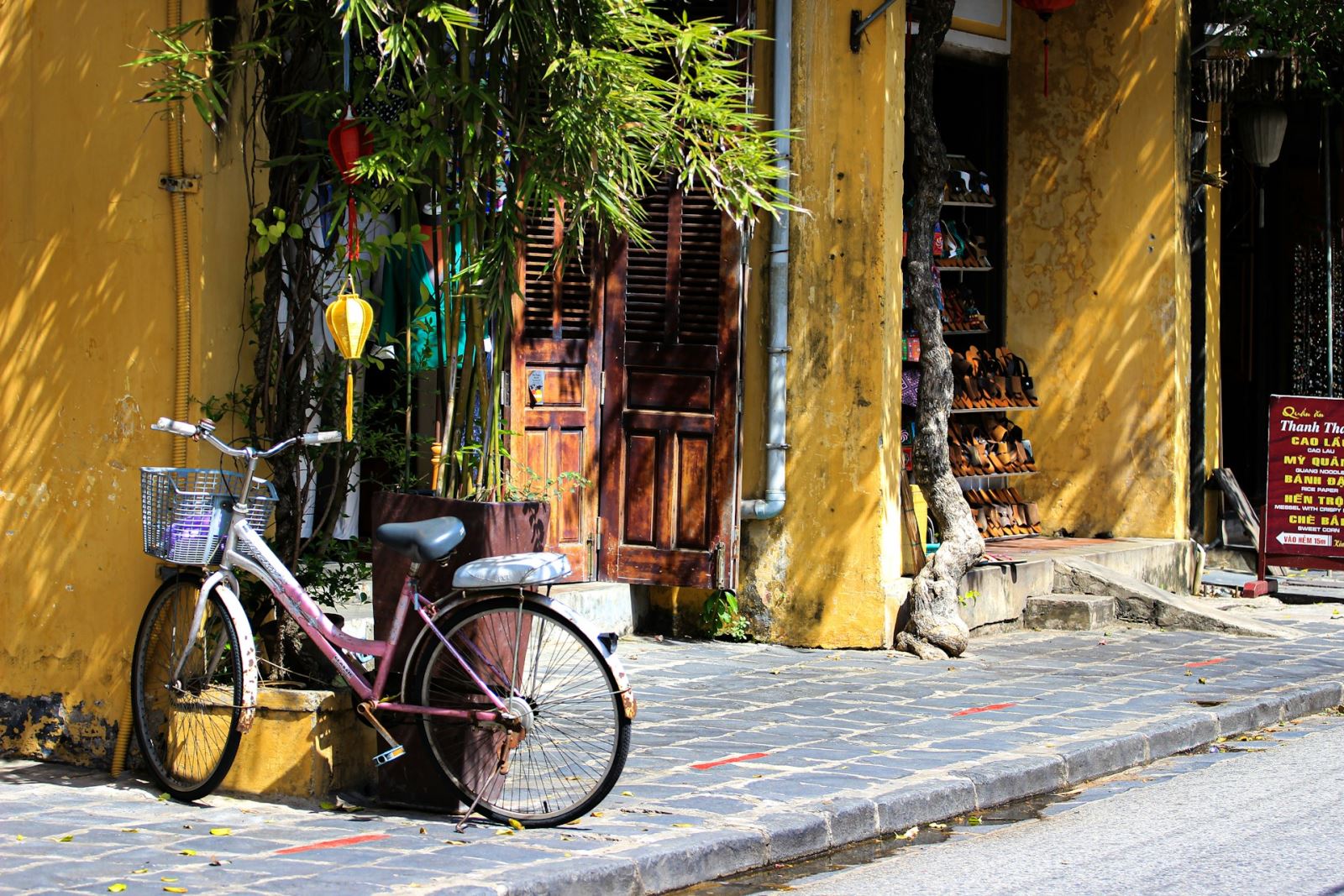
A corner of Hoi An Ancient Street on a sunny day in April (Photo by Unsplash)
If you want the easiest weather for most classic mainland routes, choose November to February. If you want fewer crowds with generally comfortable conditions, consider late October or early March. If you love lush landscapes, quieter hotels, and a slower rhythm, choose June to August and keep afternoons flexible.
If your priority is a multi-country journey, decide your routing first, then select the months that protect comfort across the whole sequence. This is often the most practical way to land on the Best time to visit South East Asia for high-end travel.
Conclusion
There is no single perfect month for all of Southeast Asia. What works best is choosing a “best window” that fits your trip type, your route, and the pace you want your days to hold. When your timing matches your travel style, the region feels calmer, more comfortable, and more deeply rewarding.Save this guide and explore south east asia travel packages from Asia Bespoke Journeys that match your preferred rhythm. Contact us via email hello@asiabespokejourneys.com or Whatsapp us via (+84) 915 930 725.
Written by Asia Bespoke Journeys' experts.