.png)

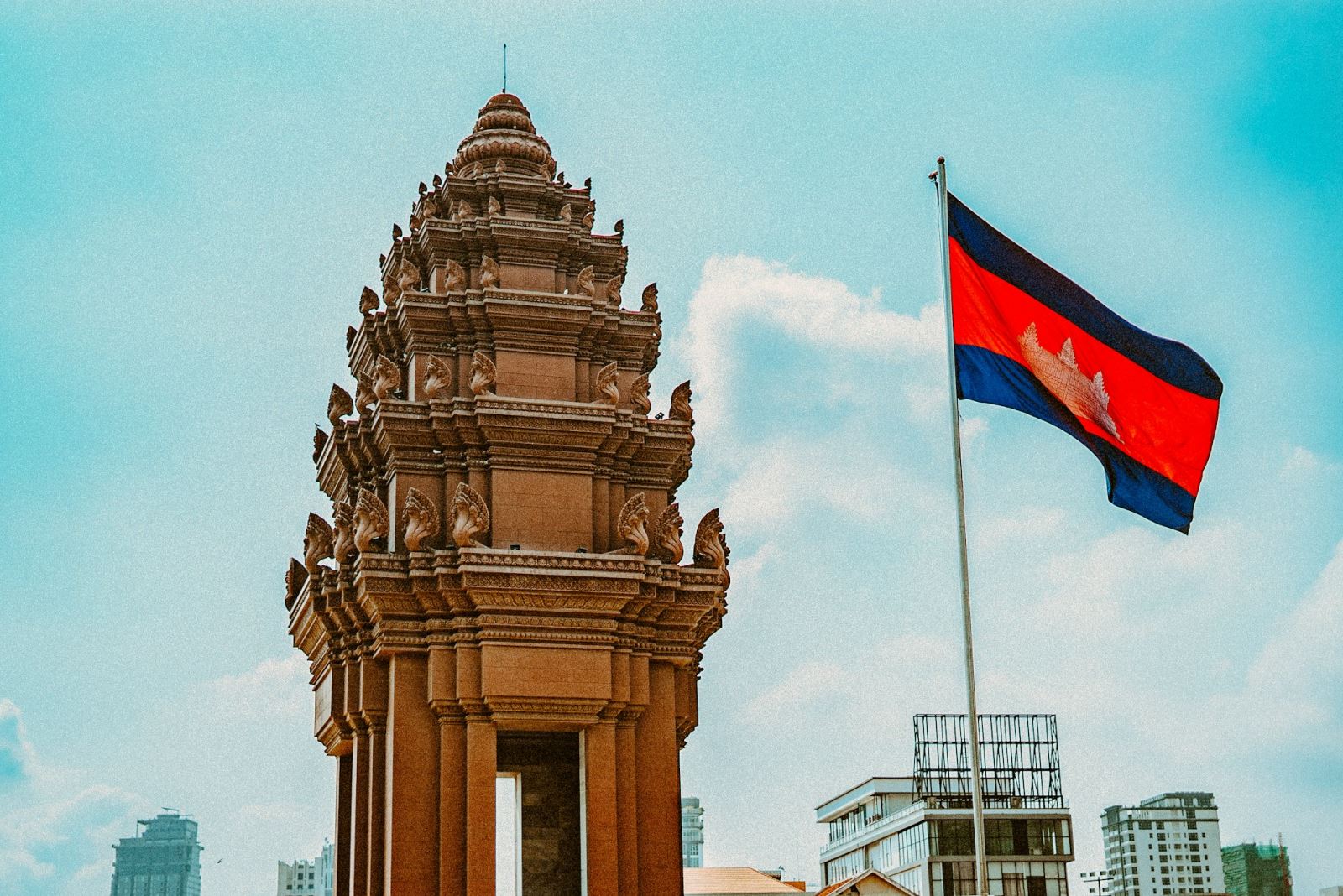
Phnom Penh, Cambodia (Photo by Unsplash)
Cambodia is a rewarding destination year-round, but the best time to visit Cambodia 2026 depends on how you prefer to travel and how much heat or rainfall feels comfortable. Angkor’s dawn visits are easiest in cooler months, Phnom Penh’s riverside evenings feel most relaxed when the air softens, and the coast and islands suit slow, restorative pauses when sea days are clear and breezy. Save this guide for planning, and explore Asia Bespoke Journeys’ curated Cambodia journeys when you are ready.
Cambodia’s seasons in one glance
Cambodia’s seasons are straightforward, yet the experience can feel very different depending on pacing and routing. If you plan with comfort in mind, each season can deliver something distinctive, without forcing your days to fit the weather. Use these windows as a calm reference point.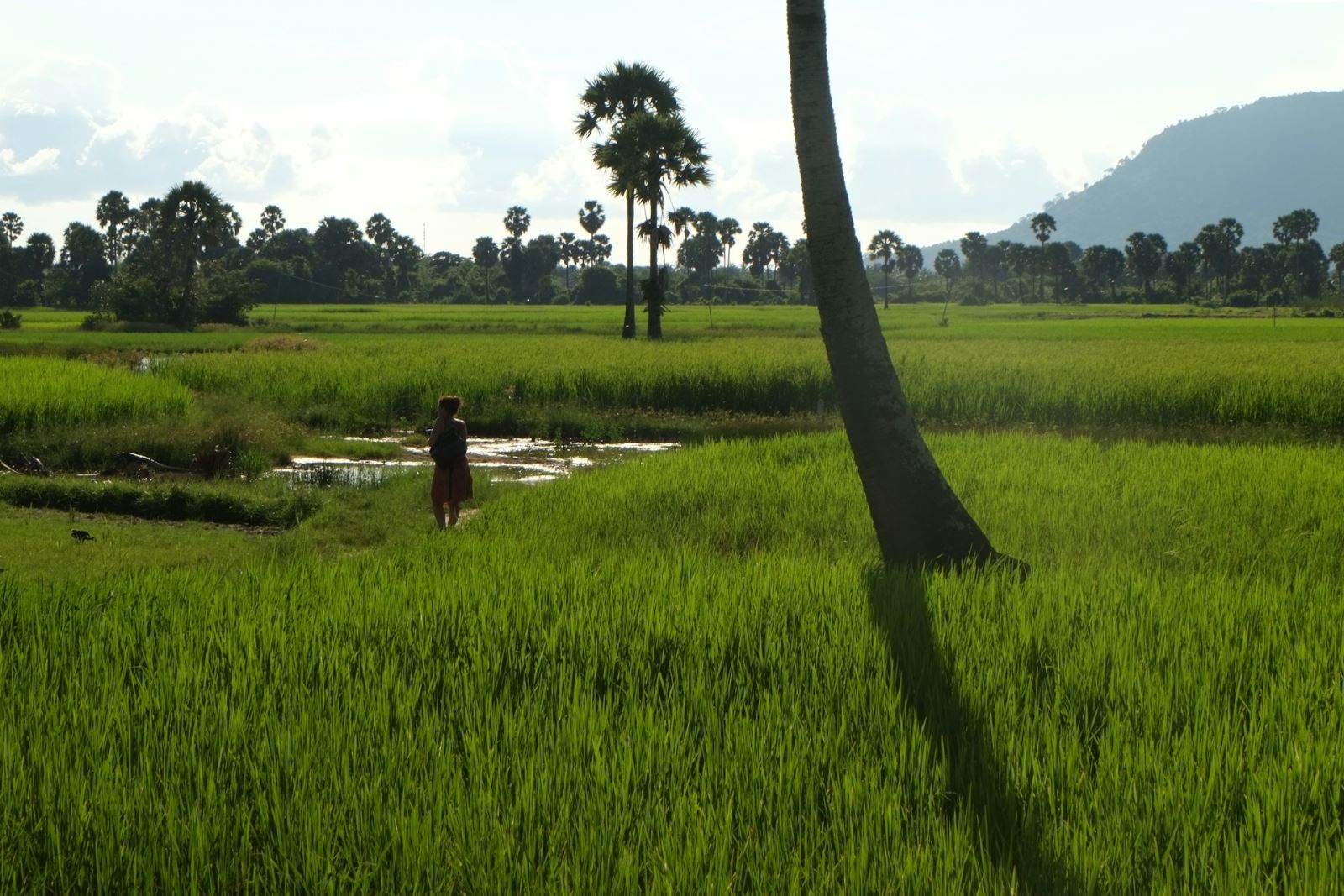
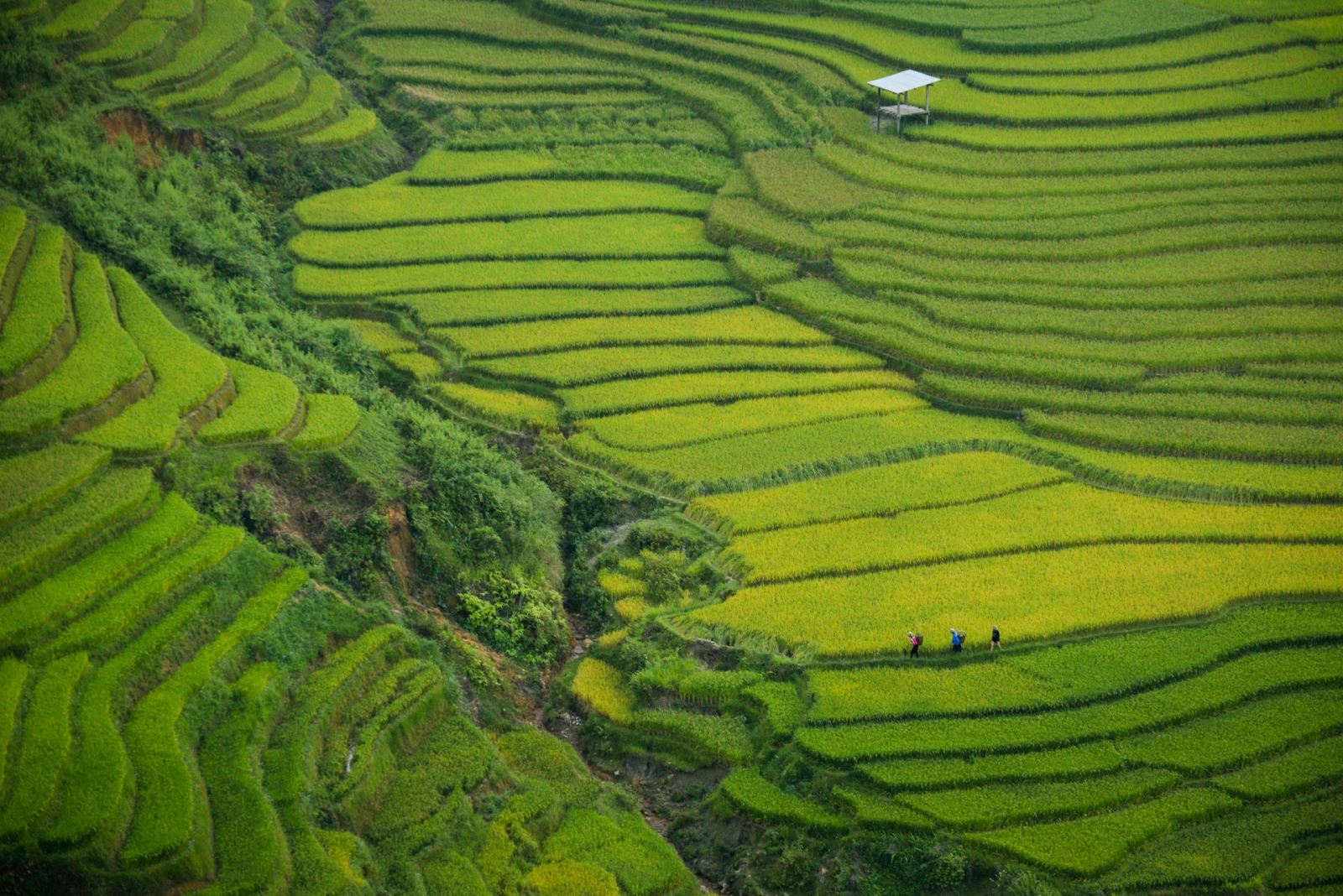
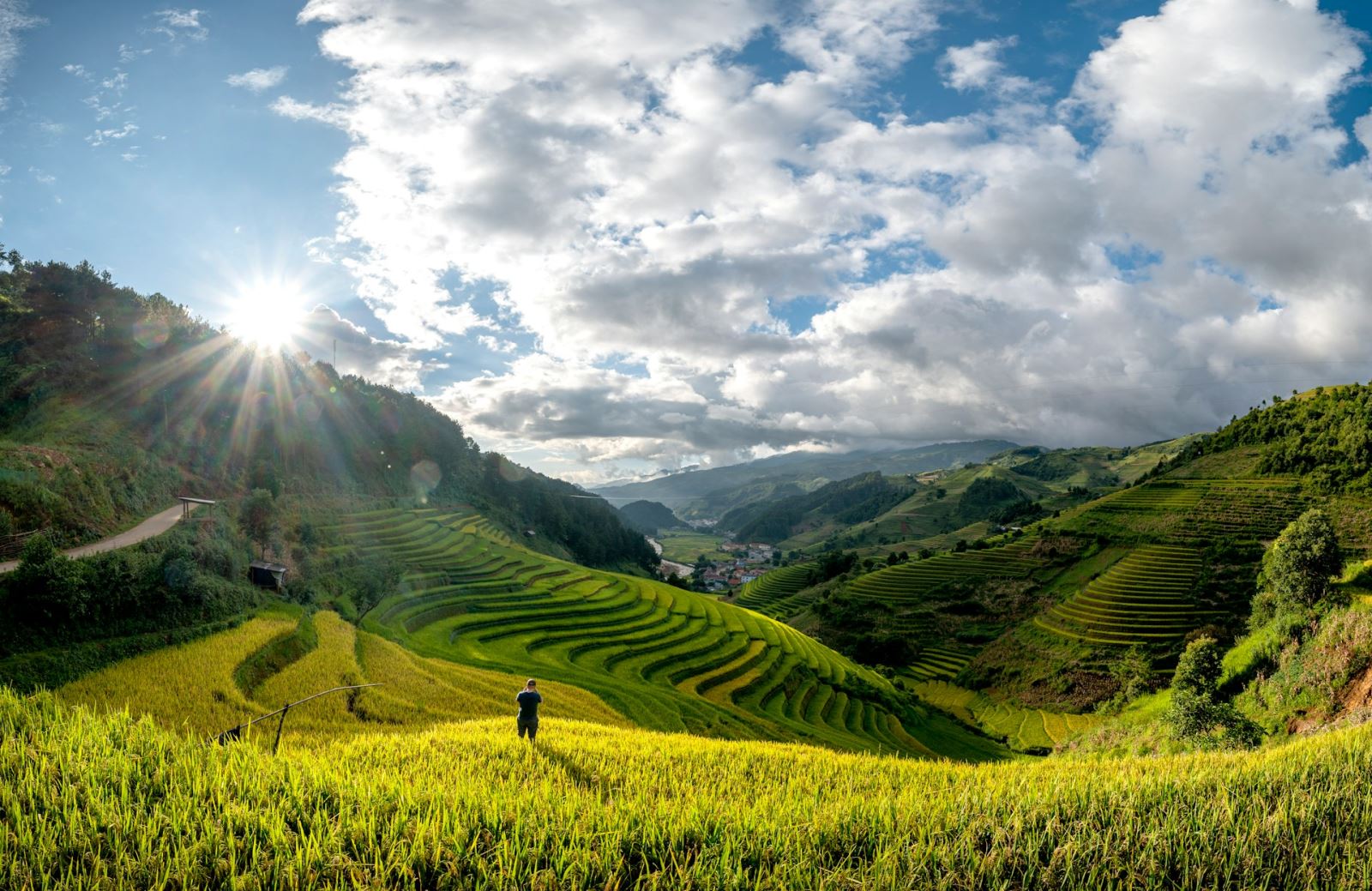
A Cambodia’s rice field in green season (Photo by Unsplash)
Clear-Sky Season (October - April)
From October to April, Cambodia is generally drier and more predictable for outdoor sightseeing, especially for temple walking. March and April are still part of the dry season, but they are noticeably hotter, so it is better to have earlier starts, shaded breaks, and a slower midday rhythm rather than assuming “cool-season” conditions.Hot Season (March - June)
Temperatures rise and the sun feels stronger, particularly from late morning onward from March to June. The rainy season starts in May. March to May is dominated by heat, while late May and June begin the transition toward wetter conditions. Having early starts, long lunches, and indoor culture or spa time through peak heat would be a comfortable option when traveling during this season.Green-Glow Season (July - September)
Landscapes turn greener and the pace often feels quieter on the ground. Rain may arrive in pulses, so if you plan to visit Cambodia from July - September, flexible timing helps you keep the day unhurried, with room to add or swap activities when skies clear.Cambodia Weather Calendar 2026
January - March: cooler, clearer temple days
This is one of the most comfortable stretches for Angkor if you enjoy unhurried walking and softer mornings. The day is easier to shape around slow sightseeing, and you can linger without watching the clock. It is a natural fit for Cambodia slow travel that prioritises depth over volume.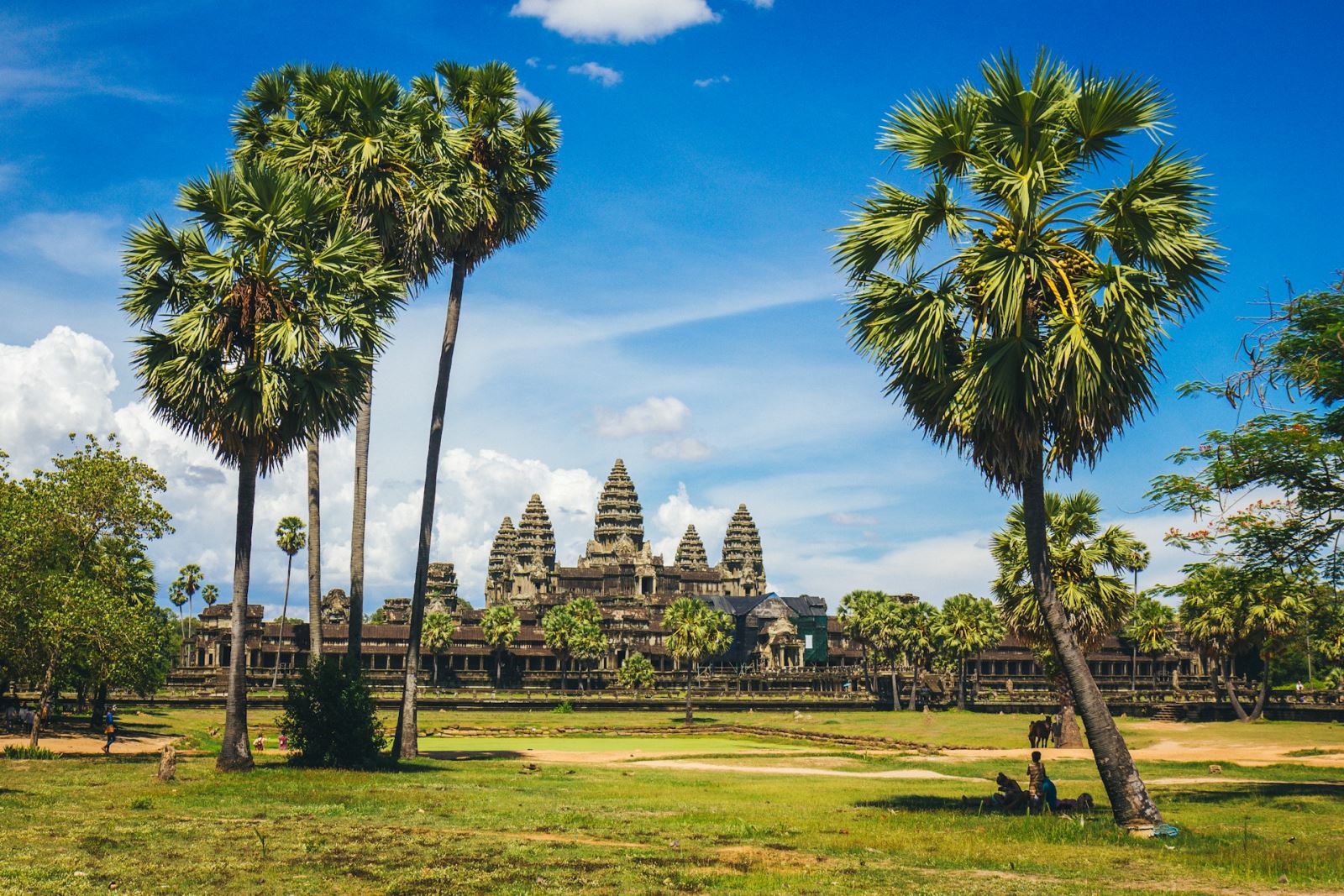
February offers the Best Time to Visit Cambodia 2026 (Photo by Unsplash)
Crowds can be higher in Siem Reap during this period, especially at the most iconic temples. Start early for the headline sites, then shift to quieter corners once the main routes fill. With Asia Bespoke Journeys, you can expect the rhythm to become simple: temple mornings, long lunches, and slow afternoons.
April - June: bright skies, rising heat
April to June brings bright days and a more intense warmth, so it works best when you choose your itinerary based on comfort rather than speed. This is not the season for back-to-back temple marathons, particularly if you are sensitive to heat. Instead, you can treat midday as a dedicated rest window.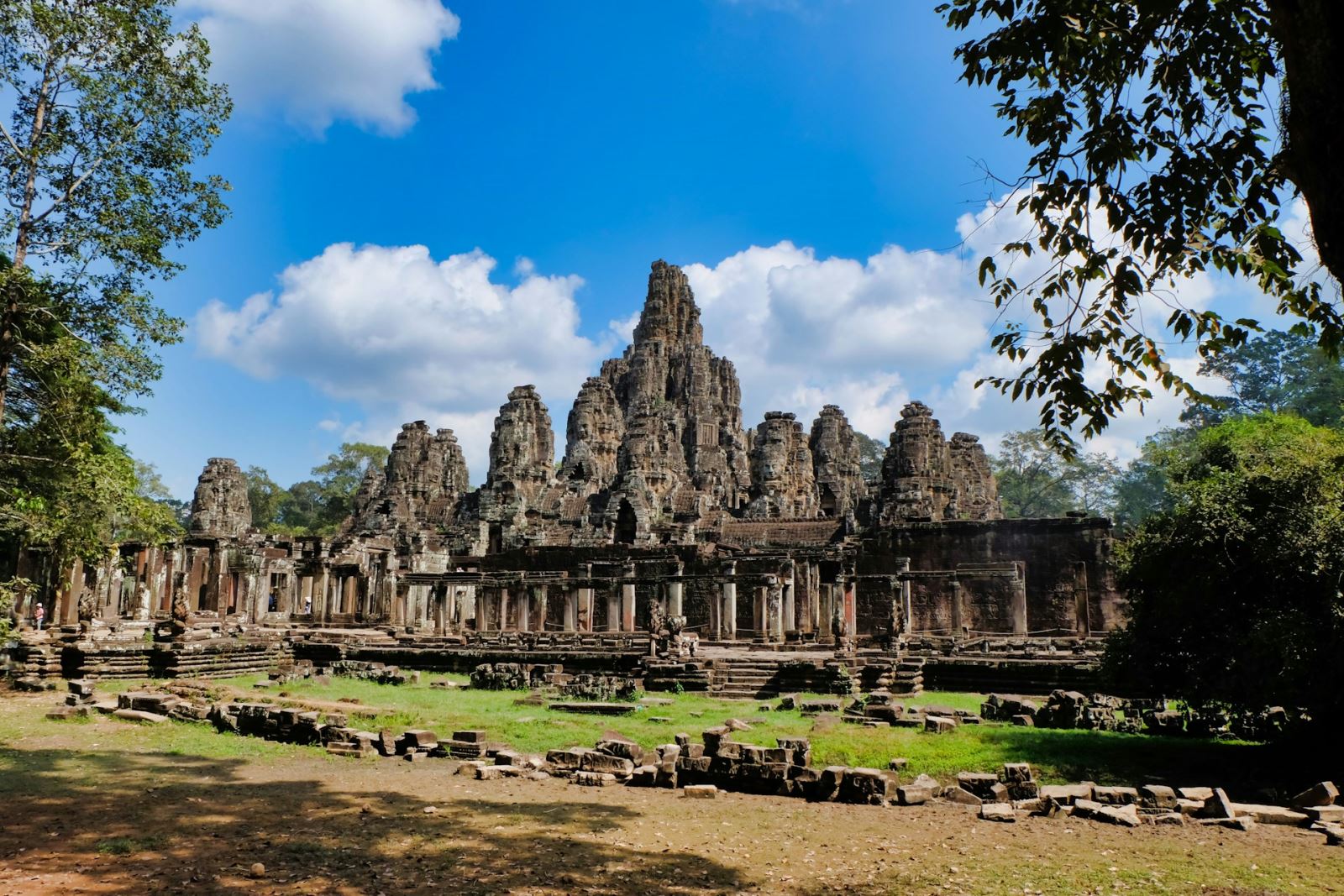
Angkor Wat, one of the best places to visit in Cambodia in June (Photo by Unsplash)
Plan early temple visits, then move into indoor and shaded experiences through the hottest hours. Museums, artisan workshops, food-focused touring, spa time, and a quiet pool afternoon can become the anchors that keep your journey restorative. For travellers who prefer soft activities and calmer paces, alternating a temple day with a lighter village or city culture day often feels much better than stacking days.
July - September: greener Cambodia, heavier showers
This season brings a softer, greener Cambodia with fewer crowds in many areas. Showers can be heavier, so the most successful itineraries use “flex blocks” rather than fixed hour-by-hour commitments. Having a private transfer planned in advance helps to keep the day smooth when weather changes quickly.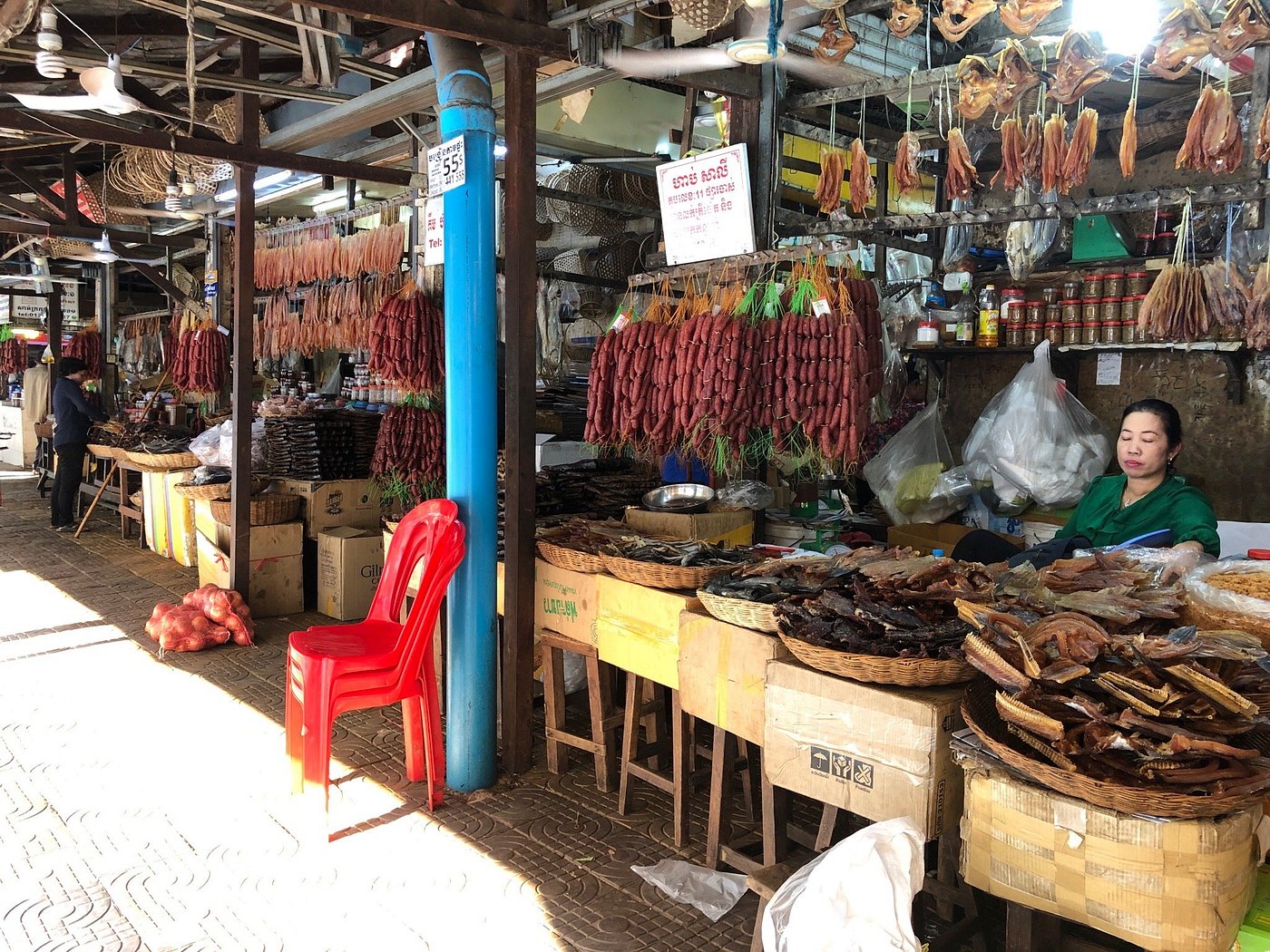
A local food shop in Central Market in Cambodia (Photo by Unsplash)
Your afternoons should be scheduled with optional layers. A gallery, market, café stop, or short cultural visit works well as a graceful backup when rain arrives. Tonle Sap and floating village scenes can feel especially atmospheric during higher-water periods, with deeper colour in the landscape.
October - December: smoother return to drier days
October to December is when Cambodia begins to dry out again, while the countryside often stays vivid and green. It is an excellent window for travellers who want variety without compromising comfort, with room to pair temple time with a slower rural stay and, depending on your route, a quieter coastal pause.It is also a naturally balanced season to split time between Siem Reap and Phnom Penh. Days can begin with heritage and history, then ease into relaxed riverside evenings with thoughtful dining and low-key cultural moments.
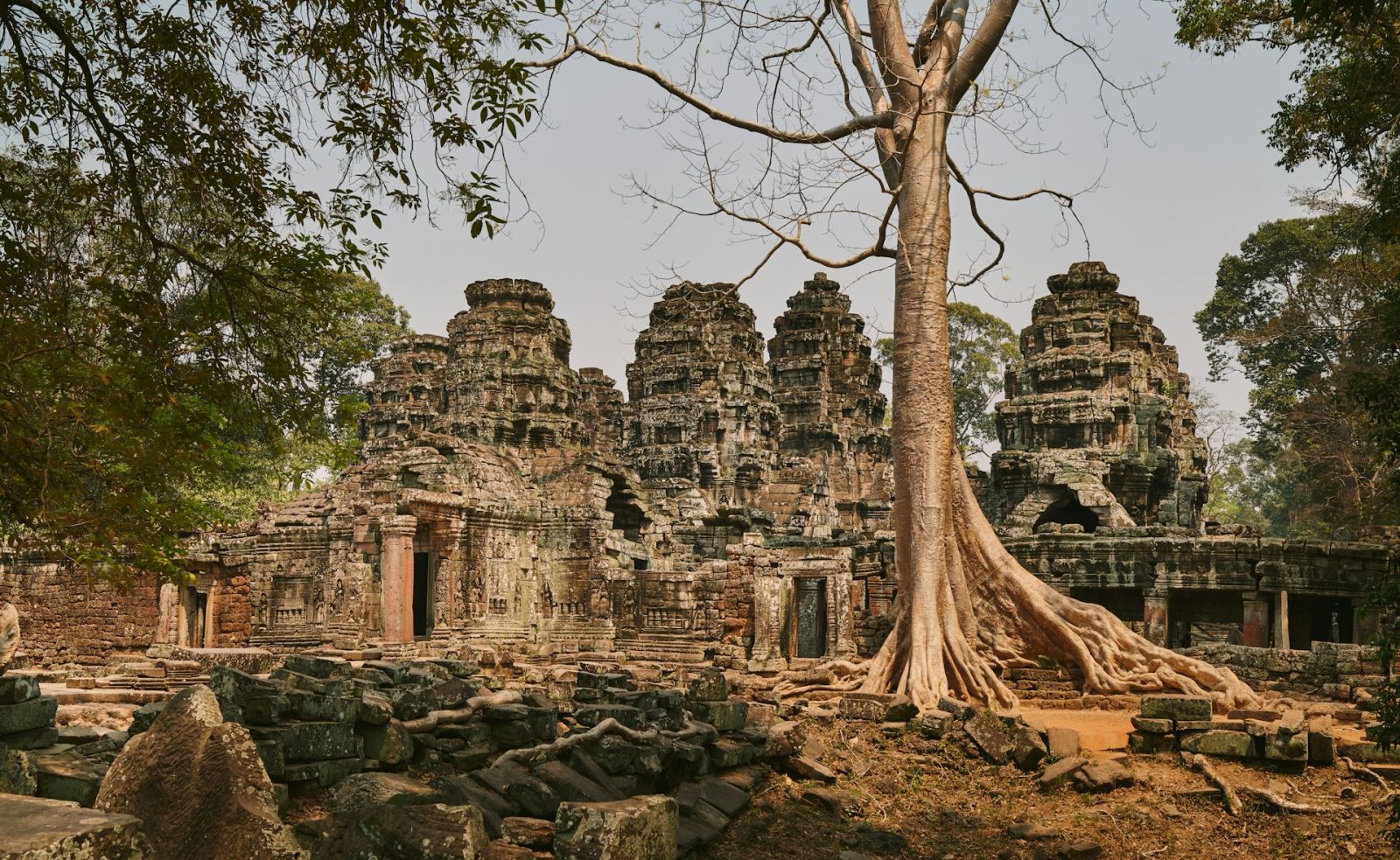
Angkor Wat in Siem Reap, Cambodia (Photo by Unsplash)
Best time to visit Cambodia 2026 by travel style
Best time for Culture & Heritage journeys
For Culture & Heritage journeys, the most effortless time for Cambodia travel is typically late year into early year (October - March), when walking conditions are more comfortable and days feel more predictable. This supports a calmer approach to Angkor, where you absorb detail rather than rush between sites. It aligns well with our multi-country flow, including Southeast Asia Discovery: Thailand - Laos - Vietnam & Cambodia in 21 days.Keep temple time curated, not crowded for your Cambodia slow travel. Our experts’ suggestion is to spend one temple morning per day, then protect the afternoon for rest, artisan workshops, and food-led discoveries. If you prefer an even gentler rhythm, split it across two days, with one temple day, then one local village or countryside day.
Best time for Wellness & Retreat escapes
For wellness-led journeys, visiting in the dry season (October - December) is a great choice. Transfers tend to be easier, outdoor downtime is simpler to plan, and your days can stay quiet and uninterrupted. This is where “luxury” shows up as privacy, space, and a natural sense of ease.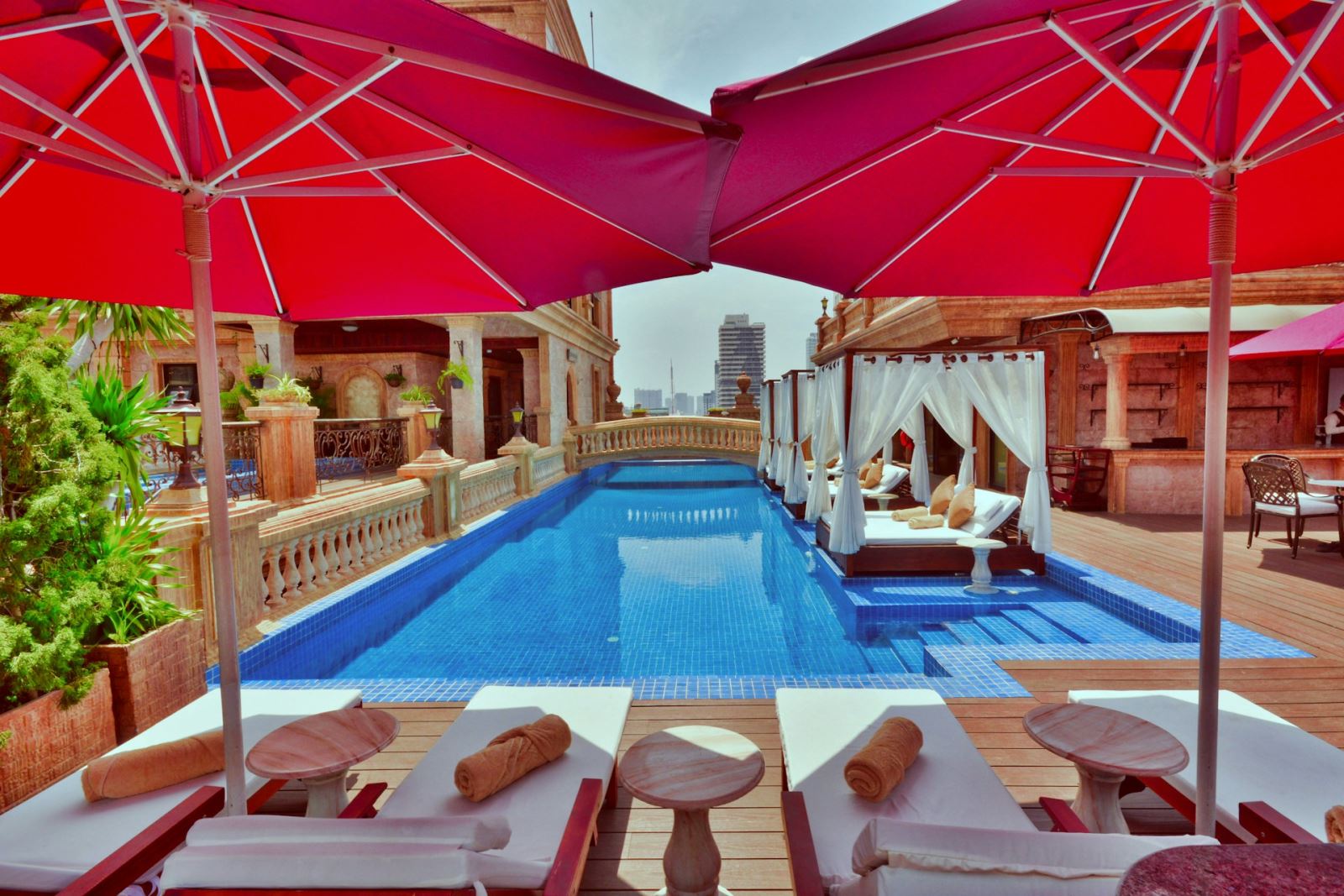
A luxury rooftop in Phnom Penh, Cambodia (Photo by Unsplash)
If you choose the greener months (July - September), the experience can still be deeply restorative with the right plan. Plan more indoor wellness, longer spa windows, and flexible timing around showers, rather than trying to keep a rigid schedule. A Cambodia luxury tour designed around comfort can make the season feel calm, not complicated.
For Asia Bespoke Journeys’ best Cambodia private tour: Cambodia serenity & Song Saa Escape – 11 Days
Best time for Active & Adventure discovery
For Active & Adventure journeys such as The untamed spirit of Cambodia, it is best to avoid the most intense heat of April - June, so outdoor time feels enjoyable rather than demanding. Drier months and shoulder periods (October - March) typically support longer walks, nature-forward days, and smoother logistics, especially for couples, friends, and multi-generation families seeking a “soft adventure” pace rather than high exertion.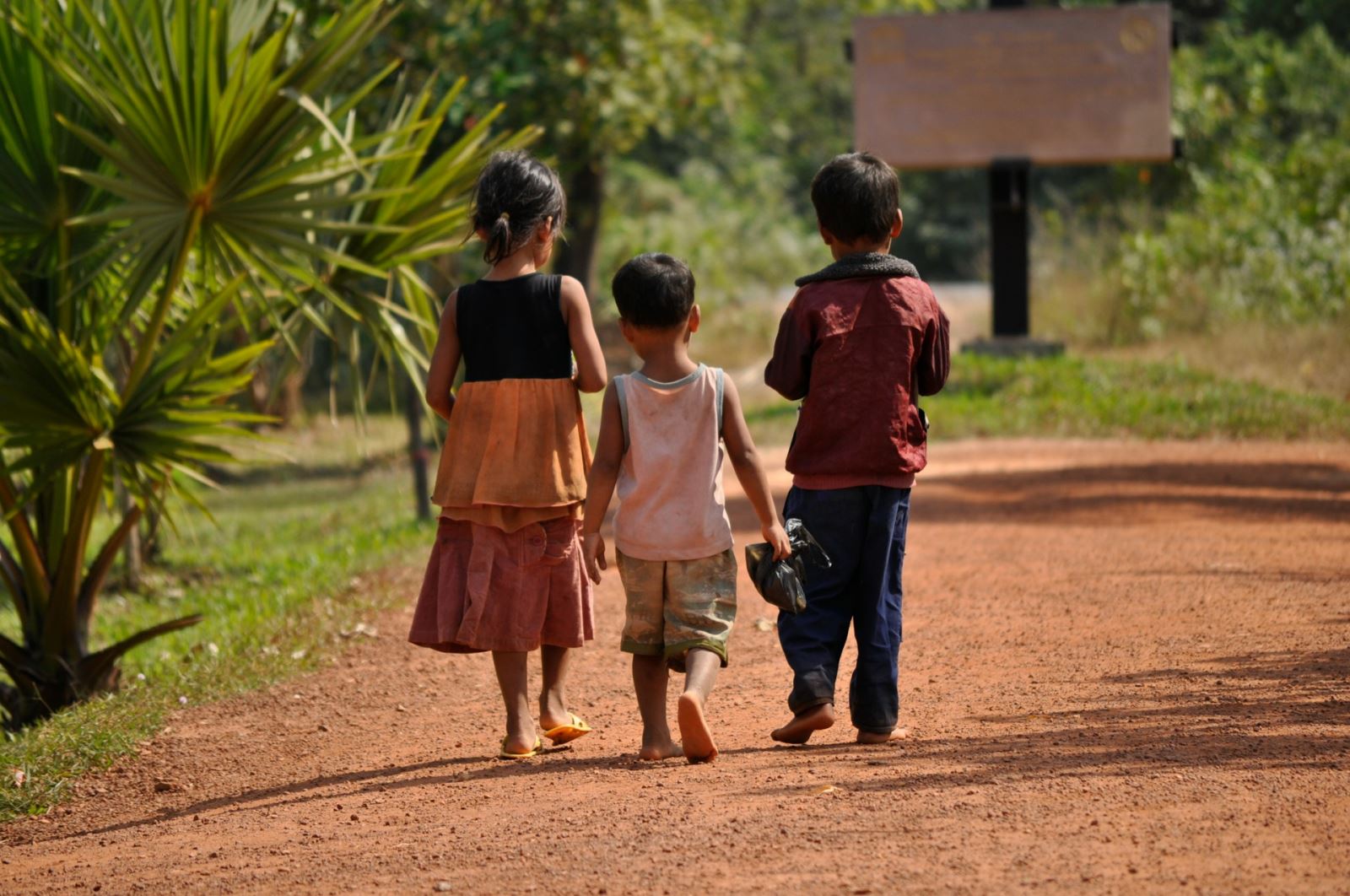
Children walking on a street near Angkor Wat (Photo by Unsplash)
The rainy season (July - September) can work well when the itinerary is designed with elegant buffers. Emphasise greener scenery, quieter routes, and a clear plan B that protects the day’s flow. With the right pacing, this can still feel like a refined Cambodia leisure tour, not a compromise.
2026 holidays & cultural moments
Holiday periods can subtly change how Cambodia feels on the ground, even when you are not travelling for a festival. Availability for hotels, guides, and transfers can tighten, and some services may operate on adjusted schedules, so it helps to plan with a little more lead time and build in gentle buffers.Key dates to note include
- Khmer New Year (14 - 16 April), which can influence availability and local movement in major centres.
- Independence Day (November 9) may create local travel spikes
- Bon Om Touk or Water Festival (23 - 25 November 2026) can increase riverside crowds and hotel demand in Phnom Penh.
If you prefer a calmer atmosphere during these weeks, choose a quieter base, keep key sightseeing to early mornings, and allow extra margin for reservations and transfers. A measured rhythm is often the simplest way to keep the journey restorative, even in busier moments.
Seasonal packing & practical notes
Dry season (October - April)
Pack light layers for cooler mornings and evenings, plus sun protection for daytime walking. Comfortable shoes matter more than anything for temple paths, especially if you prefer to move slowly and stop often. A light scarf is useful for temples and air-conditioned interiors.Hot Season (March - June)
Choose breathable fabrics, a hat, and reliable hydration, and plan shaded breaks as part of the itinerary. Early sightseeing is your best friend, followed by a long, restorative midday pause. If heat affects you quickly, reduce outdoor blocks and elevate the day with museums, crafts, and spa time.Rainy season (July - September)
Bring a thin rain layer, grippy footwear, and a waterproof pouch for phone and documents. Keep buffer time so a short downpour does not compress your route or mood. Private transfers and flexible timing can turn this season into a calm, green escape.Choose Best Time to Visit Cambodia in 2026 in 60 seconds
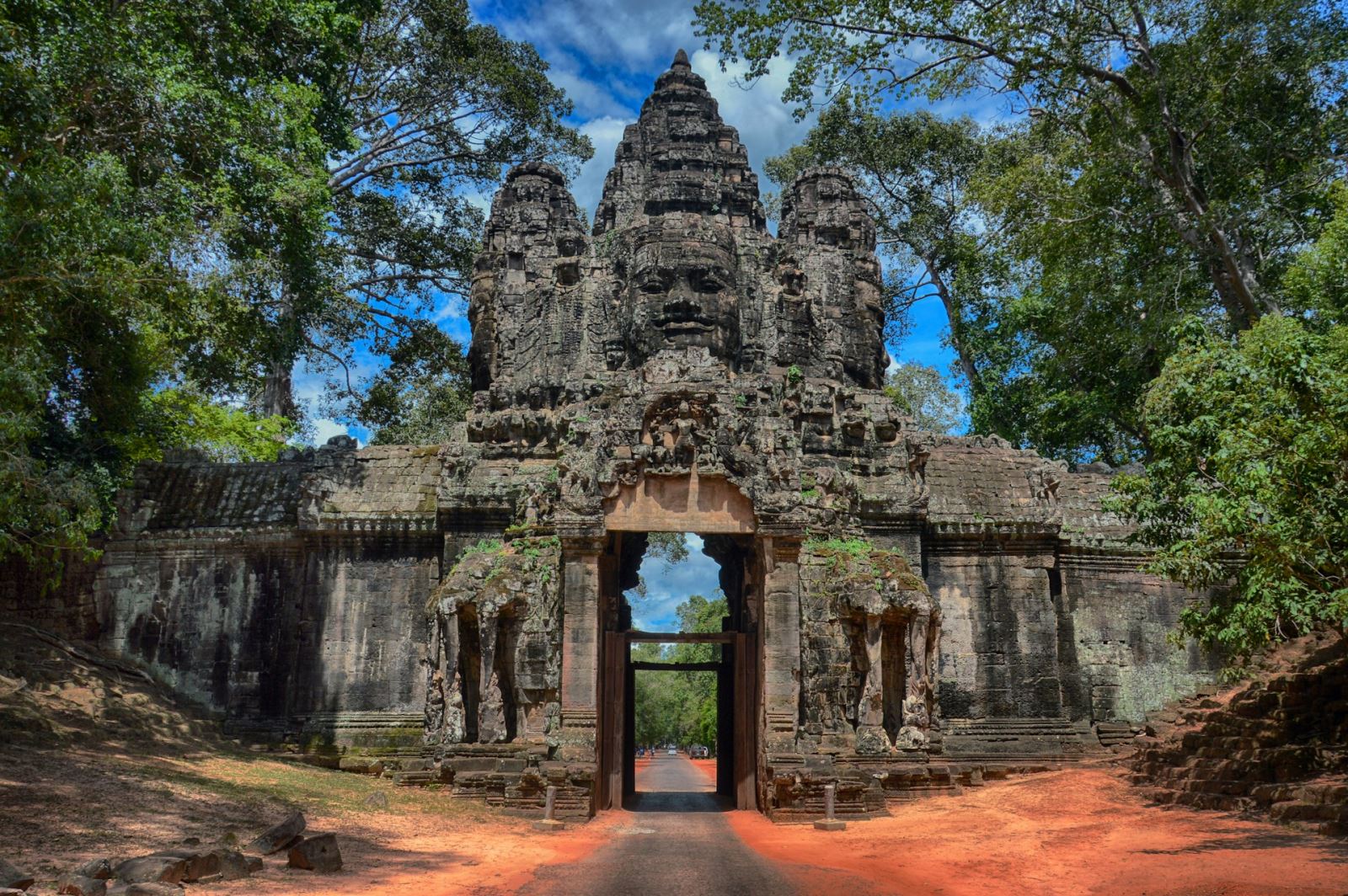
Angkor Thom East Gate in Siem Reap, Cambodia (Photo by Unsplash)
Use this quick checklist to match the season to your travel style, comfort level, and preferred pace.
- If temple-walking comfort is your priority: Choose January – March or November – December for easier mornings and more predictable days.
- If you want fewer crowds and greener scenery: July – September can be rewarding, as long as you accept showers and keep plans flexible.
- If you travel in the hottest months: March – June works best with early starts, long lunches, and indoor culture during peak heat.
- If you want temples plus coastlines or islands: Stay within the October – April drier-season window and plan a route that minimises transfers.
- If you want the most seamless finish: End with a retreat-style stay that supports slow mornings and quiet evenings.
- If you are browsing Cambodia luxury vacation packages: Prioritise pacing and privacy first, then add highlights selectively.
FAQs
What is the best time to visit Cambodia in 2026?
November to February is the best overall window (cooler, drier, and easiest for temple touring).Is Cambodia a good year-round destination?
Yes. Cambodia is a year-round destination, but conditions shift between a dry season and a wet (green) season.When is the hottest season, and how can I travel comfortably?
The hottest stretch is typically March to May (often peaking around April). To travel comfortably:- Start early, rest midday: do Angkor and outdoor walks in the morning, then take a long break early afternoon.
- Prioritise shade, water, and airflow: hat, sunscreen, breathable fabrics, constant hydration.
- Choose accommodation with reliable air-conditioning for recovery time between outings.
Is July to September a bad time to visit Cambodia?
No, but it is the core wet-season period, so expect higher humidity and frequent rain.Which 2026 holidays may affect crowds and hotel availability?
These dates can raise domestic travel demand and tighten hotel availability (especially Siem Reap and Phnom Penh):- Khmer New Year: April 14 to 16, 2026
- Pchum Ben: October 10 to 12, 2026
- Water Festival (Bon Om Touk): November 23 to 25, 2026
- Regional travel peaks that can also affect Cambodia pricing/availability:
- Lunar New Year: February 17, 2026
- Christmas and New Year period: late December to early January (overlaps peak dry-season travel).
Conclusion
The best time to visit Cambodia 2026 is ultimately the season that supports the way you want to feel each day: calm, comfortable, and unhurried. Start with your priority (temples, retreat, adventure, or a balanced blend), then let the season guide your pacing and routing. When you are ready, save this guide and explore Asia Bespoke Journeys’ travel style that matches your preferred rhythm. Contact us via email hello@asiabespokejourneys.com or Whatsapp us via (+84) 915 930 725.Written by Asia Bespoke Journeys' experts.